

Why AI companion technology matters for sales reps in 2026
In 2026, it’s clear that AI is everywhere. You hear a lot about AI changing the world, and it truly is. Generative AI, for example, gained 100 million users very quickly, much faster than older technologies like telephones ever did [Deloitte 2026]. This rapid change means new tools are popping up all the time. One type of tool that’s getting a lot of buzz is "AI companion" technology.
Sometimes, people might hear the term "ai girlfriend" and think it’s just for fun or personal use. Actually, in the business world, this term often refers to advanced AI companions or virtual AI assistants. These are smart computer programs designed to talk with people, answer questions, and help with many tasks, much like a helpful assistant you can "ask AI" anything. Companies like Polybuzz AI are part of this big shift, creating AI tools that can do more and more complex things.

In fact, many businesses are planning to use AI agents for tricky, multi-step projects in 2026, with 81% looking to tackle more complex uses [jsDelivr 2026].
Here’s the thing: this technology isn’t just a cool gadget. It’s changing how businesses work, and that includes sales. More than half of company leaders expect AI to become a major support tool for people, helping with everyday tasks [McKinsey 2026]. For sales professionals, this means a few important things:
- New Sales Roles: As more companies create these AI companion products, they need sales reps to sell them. This opens up brand-new job opportunities for people who understand AI and can explain its benefits to other businesses.
- Changing Existing Roles: If you’re already in sales, AI will change how you do your job. An AI assistant can help you with routine tasks, letting you spend more time on building strong customer relationships.
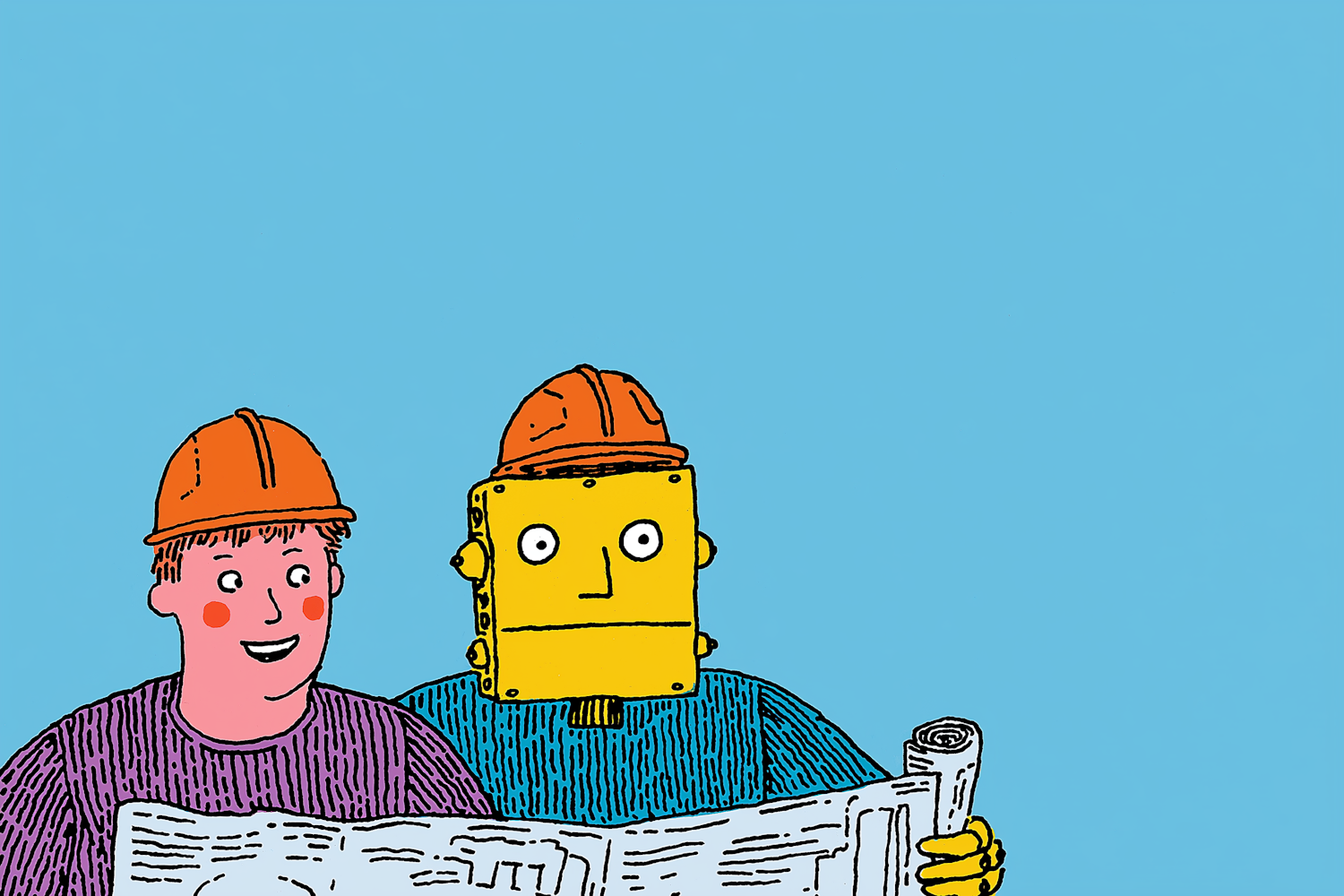
It can also help you answer customer questions faster and more accurately. This means sales reps need to learn how to work with AI, not against it.
Overall, AI is causing big changes in many industries, and the sales world is definitely feeling it [AlixPartners 2026]. Being ready for these changes is key for any sales rep wanting to grow their career. To really get ahead, you’ll want to learn how to use these new tools to your advantage.
Want to learn more about how AI can help you in your sales career? Read our guide on how to master your sales job search and career growth with lovable AI in 2026.
How AI companions work: tech, UX, and product variants
So, we’ve talked about why AI companions are a big deal for sales reps in 2026. But how do these smart helpers actually work? Let’s peel back the curtain a bit. While some people might first think of an "ai girlfriend" as a personal chatbot, the technology behind them is quite powerful and used in many business tools, like the ones from Polybuzz AI.
At their core, AI companions are built on a few key ideas:
- Conversational Models: This is the brain of the AI. It’s what lets the AI understand what you say and respond in a way that makes sense. Think of it as the engine that allows you to "ask AI" questions and get helpful answers. These models are always learning from huge amounts of text and speech to sound more and more like a real person talking.
- Personalization Layers: Good AI companions remember what you tell them. They learn your preferences, your past conversations, and even your speaking style. This helps the AI feel more tailored to you, making every chat more helpful and natural. It’s like having an assistant who knows exactly what you need.
- Content Safety Systems: This part is super important. Companies build special rules and filters into AI companions to make sure they don’t say harmful, unsafe, or inappropriate things. In 2026, there are actually new laws in places like Washington State about AI companion chatbots, making sure companies tell you when you’re talking to an AI [Washington State Passes AI Companion Chatbot Law]. These laws also push for stronger safety rules, like preventing the AI from creating sexually explicit content [Analyzing the New AI Companion Chatbot Laws]. It’s all about keeping users safe and protecting important information [United States: Navigating the Laws of Chatbots and AI Assistants].
Different Kinds of AI Companions
Just like there are many kinds of cars, there are many kinds of AI companions. They all use similar tech but are built for different jobs:
- Subscription Companions: Many AI tools, including business-focused ones, work on a monthly or yearly payment plan. You pay to get access to their advanced features and helpful support.
- Dating-Adjacent Features: While this article focuses on business uses, it’s true that some personal "ai girlfriend" apps have features designed to mimic romantic relationships or emotional support. They often aim to create a feeling of connection.
- Therapeutic-Style Companions: Some AI companions are designed to help with well-being, offering a listening ear or suggesting ways to manage stress. They act more like a coach or supportive friend.
- Avatar and Voice Products: The most advanced AI companions often don’t just use text. They can have a visual character, called an avatar, and a voice. This makes the interaction feel much more real and engaging. Imagine asking an AI assistant a question and hearing a clear voice respond, perhaps even seeing a friendly face.
No matter the type, the goal of these AI companions is to make things easier for us. For sales professionals, understanding how these tools work helps you see how they can improve your own daily tasks. You can learn more about how to use these smart tools for your job by exploring our guide on how to leverage AI question answering tools for sales mastery.
Sales roles and teams selling AI companions: who hires and why
We’ve explored how AI companions are built and the different kinds out there. Now, let’s look at the people who actually bring these smart tools to businesses and everyday users. That’s right, sales teams are at the heart of getting AI companions into the world. In 2026, many companies are focused on using AI to make things better, from how they work to how they serve customers [AI-First Companies Win the Future].
Who Sells AI Companion Products?
Selling AI companions takes different kinds of sales roles, just like selling any other product. Here are the main ones:
- Business Development Representatives (BDRs) and Sales Development Representatives (SDRs): These folks are often the first to reach out. They find new companies or people who might benefit from an AI companion. Their job is to start conversations and set up meetings for other salespeople. They often need to understand what challenges businesses face in 2026 to show how AI can help [B2B business trends 2026: how AI, data, and trust will … – FedEx].
- Account Executives (AEs): Once a lead is found, AEs step in. They talk with potential customers, show them how the AI companion works, and explain its value. For consumer apps, like a personal "ai girlfriend" subscription, an AE might help a new user understand premium features. For bigger companies, an AE might show how an AI assistant like Polybuzz AI can answer customer questions or help a human resources team with a conversational HR copilot [Enterprise HCM Technology Value Matrix 2026 – UKG].
- Enterprise Sales Managers/Partnership Managers: These roles focus on very large deals. They work with big companies to integrate AI companion platforms into their systems. This could mean licensing the AI technology for a company’s own use or building a custom AI solution.
Which Companies Hire These Sales Teams?
Many different kinds of companies are hiring for these sales roles because AI is changing so many parts of business in 2026 [Salary Guide – LHH].
- Startups: New companies creating innovative AI companion apps need sales talent to get their products noticed and used. They often build the next generation of tools that let you "ask AI" anything.
- Mid-Market Consumer Apps: These companies sell directly to individuals, often through subscription models. Think of apps that offer a personalized AI assistant for daily tasks or even a virtual "ai girlfriend" for companionship. Sales teams here might focus on digital marketing and direct-to-consumer sales strategies.
- Enterprise AI Platforms: These are big technology companies that sell powerful AI solutions to other businesses. Their sales teams might work with large corporations to improve customer service, automate internal tasks, or boost productivity with AI. For example, a platform like Polybuzz AI might offer a range of AI services.
- White-Label Providers: Some companies build AI companion technology that other brands can put their own name on. Sales roles here involve selling the core technology to other businesses.
No matter the company size or type, good salespeople are essential for bringing AI companions to the people and businesses that need them. If you are looking to advance your career in the exciting field of AI sales, learning about the various sales roles and how to secure them is a smart move. You can explore how to find great opportunities by looking into how to unlock top sales jobs with a recruitment agency for sales roles.
High-impact sales skills for selling AI companion products
Now that we know who sells AI companions, let’s talk about the special skills that help these salespeople do a great job. Selling AI tools in 2026 is a bit different from selling other products because AI can be complex and sometimes very personal.
Understanding the Tech Basics
First, a good salesperson selling AI companions needs to understand how they work, at least at a basic level. This isn’t about being a computer scientist, but knowing enough to explain things simply. They should be able to talk about:
- How the AI makes decisions: This is called explainability. Customers want to know that the AI isn’t just a black box. For example, if an AI assistant like Polybuzz AI helps with customer service, people want to understand how it gets its answers.
- Privacy and security: People care a lot about their information. Salespeople must explain how the AI keeps data safe and private. This is super important for personal tools, like an "ai girlfriend" app, where users share sensitive thoughts and feelings. They need to trust that their conversations are secure.
Helping Customers Find Solutions
Another key skill is called consultative selling. This means instead of just pushing a product, the salesperson acts like an expert helper. They listen carefully to what problems a customer has. Then, they show how an AI companion can fix those problems.
For a business, this might mean showing how Polybuzz AI can make their team work faster. For an individual, it could be explaining how a personal AI assistant can help them organize their day or answer questions quickly when they "ask ai" something. It’s about finding the right fit for the customer’s needs.
Building Trust and Handling Tough Questions
Selling AI companions, especially those that interact closely with people, also requires a lot of trust.

Sometimes, customers have sensitive questions, particularly when it comes to tools like an "ai girlfriend." They might ask about:
- Safety and well-being: People might worry about how AI affects human relationships or if it’s always appropriate.
- Ethical concerns: There can be questions about what the AI is "allowed" to do or say, and how it handles difficult situations.
A skilled salesperson handles these questions with honesty and care. They explain the company’s rules, safety features, and how the AI is designed to be helpful and respectful. Building trust means being open and clear, especially about how data is used and protected.
To get these important skills, many sales teams use special training programs. In 2026, there are many excellent AI sales training software and platforms available that help salespeople practice conversations and learn how to best present AI products [5 Best AI Sales Training Software in 2026 – Hyperbound].

These tools can help sales reps master the unique challenges of selling AI.
If you are looking to grow your skills and advance your career in the sales world, learning about new sales techniques and technologies is a great idea. You can dive deeper into how to leverage AI question answering tools for sales mastery.
Positioning Yourself: Resumes, Interviews, and Portfolio Moves
So, you’ve learned about the important skills for selling AI companion products. That’s a great first step! Now, let’s talk about how to show off those skills when you are looking for a job. This means getting your resume ready, doing well in interviews, and showing what you can do.
Showcasing Your Skills as a Career Switcher
Many people want to switch into selling AI tools. Maybe you’ve sold other types of software (SaaS) or even different products altogether. The good news is, many of your old skills are still useful.
- Customer Empathy: This is a fancy way of saying you can really understand what customers need and feel. If you’ve helped people solve problems before, you have customer empathy. This is super important when selling a personal tool like an
ai girlfriendor a businessai assistantlike Polybuzz AI. You need to know what worries people or what makes their day easier. - Understanding SaaS Metrics: If you know about how software companies track their success, that’s a big plus. Things like knowing how many people try a free product and then buy it (called "trial conversion rate") are important [Trial-to-Paid Conversion Benchmarks in SaaS: What Actually Works]. If you know these kinds of numbers, it shows you understand the business side of selling software.
Make sure your resume highlights these transferable skills. Don’t just list old job duties; explain how they taught you to understand customers or analyze product performance.
Interview and Portfolio Tactics for AI Sales
When you get an interview for an AI sales job, you need to be ready to talk about AI in a smart way. Also, if you have a sales portfolio, make sure it shines.
- Demoing Value: Instead of just listing features of an AI companion, show how it truly helps. For example, if you’re talking about Polybuzz AI, tell a story about how it made a customer’s work easier. For a personal
ai assistant, explain how someone canask aiquestions and get quick help, saving them time every day. - Handling Ethics and Privacy Questions: This is a big one for AI, especially for tools like an
ai girlfriendwhere personal feelings and data are involved. Interviewers will ask how you’d talk about things like data security and if the AI is always appropriate. You should be ready to explain that the company builds responsible AI and handles user data safely [Top AI Risks, Dangers & Challenges in 2026 – Clarifai]. This shows you care about the customer and understand the important rules. - Practice with AI Training Tools: In 2026, many companies even use AI to help with hiring decisions [AI-Based Hiring: 2026 Developments Employers Can’t Ignore]. To get ready for interviews, you can use special AI sales training software. These tools let you practice talking about AI products and get feedback on how well you explain things and answer tough questions

[5 Best AI Sales Training Software in 2026 – Hyperbound].
By showing you have a good grasp of customer needs, understand how software works, and can talk about AI responsibly, you’ll greatly improve your chances.
To learn more about finding and growing in sales roles, check out how you can master your sales job search and career growth with lovable AI in 2026.
Remote selling: tools, demos, and closing virtually for companion apps
Selling has changed a lot. More and more, sales people are connecting with customers online, not in person. This is called remote selling, and it’s a very important skill in 2026, especially for selling AI tools. When you sell an AI product, like a helpful ai assistant or even a personal ai girlfriend app, you need to know how to show it off and make a sale from your computer.
Great Remote Demos for Special Products
When you can’t meet face-to-face, how you show your product really matters. For AI companion apps, it’s not just about features. It’s about how the AI makes someone feel or helps their daily life.
- Show, Don’t Just Tell: Instead of saying "Our
polybuzz aihelps with tasks," show a quick video of it organizing emails or answering questions. If it’s a more personal AI, explain how someone canask aianything and get a friendly response, making their day brighter. This helps people see and feel the value, which is key for emotionally-driven products. - Keep It Short and Sweet: People have short attention spans online. Make your demo clear and to the point. Practice so you can smoothly show the best parts of the AI without wasting time. This is one of the top tips for selling remotely [Remote Selling Best Practices for 2026 (Data-Backed)].
- Focus on Their Needs: Before the demo, ask what the customer is looking for. Then, during the demo, show how your AI specifically solves their problems. For example, if they feel lonely, highlight how an
ai girlfriendcan offer companionship.
The Right Tools for Remote Sales Reps
To sell well from afar, you need the right tools. Think of these as your digital toolkit:
- Customer Tracking (CRM): A Customer Relationship Management (CRM) system is like a digital notebook for all your customer information. It helps you remember who you talked to, what they need, and what you promised. This way, you never miss a beat [Must-have Go-to-Market (GTM) Tools and Software for 2026]. If you want to get good at using these systems, learning about mastering CRM implementation services for sales growth can really boost your career.
- Virtual Demo Platforms: Tools like Zoom or Google Meet are perfect for showing your screen and talking to customers. Some even have fancy features to make your demo more interactive.
- Lead Qualification Software: These tools help you figure out which potential customers are most likely to buy, so you spend your time wisely [15 Best Lead Qualification Software in 2026].
Keeping Track of Success: Key Metrics
When you’re selling online, it’s easy to see what’s working and what’s not. One big number to watch is the "trial-to-paid conversion rate." This is the number of people who try your AI product for free and then decide to pay for it [What Is Trial Conversion Rate? Metrics Explained].
Many AI companies offer free trials. In 2026, a good rate for people who freely sign up and then pay is about 4-6%, and 10-15% is really great [Trial-to-Paid Conversion Benchmarks in SaaS: What Actually Works]. Knowing these numbers helps you understand how well your remote sales efforts are doing and where you can get better.
Spotting Red Flags: Avoiding Exploitative Employers and Unsafe Products
Finding a sales job, especially in the growing world of AI, is exciting. But it’s also smart to be careful. You want to work for a good company that has safe products and treats its sales people fairly. In 2026, with so many new AI tools, it’s important to know how to spot warning signs that a job or a product might be risky.
Watch Out for Employer Warning Signs
When you’re looking for a sales role, keep an eye out for these red flags:
- Bad Pay Plans: Some companies might offer commission plans that look great on paper but are almost impossible to achieve. This is like how some multi-level marketing schemes can be tricky, often leading to people making very little money instead of being truly employed [Multilevel Marketing Is Not Employment]. Always understand exactly how you’ll get paid.
- Fake Product Promises: Be careful if a company makes big, unbelievable claims about what their AI product can do. For example, if an
ai assistantorpolybuzz aiclaims to do everything perfectly without any flaws, that might not be true. Look for honest descriptions, not hype. - Missing Safety Steps: With AI, safety is a big deal. Companies should care about keeping user information private and their AI safe to use. Many organizations worry that AI systems could share private customer details [Industry Survey 2026]. If a company doesn’t talk about how they keep their AI safe, that’s a problem.
Asking Smart Questions in Interviews
When you get an interview, it’s your chance to ask ai related questions to the company. These questions help you learn if it’s a good place to work and if their products are trustworthy:
- About Product Safety: Ask, "How do you make sure your AI products, like an
ai girlfriendorai assistant, are safe for users?" Listen for details on how they protect user data and prevent harmful content. New laws in 2026 are making companion chatbot safety a very important issue [United States: Navigating the Laws of Chatbots and AI Assistants]. Some states even have laws requiring companies to prevent AI chatbots from creating certain kinds of visual content [Analyzing the New AI Companion Chatbot Laws]. - About Moderation Rules: Find out, "What rules do you have in place for how people use your AI, and how do you handle problems or bad behavior?" A good company will have clear rules and ways to check on them.
- About Following the Law: Ask, "How does your company make sure it follows all the new laws about AI that are coming out in 2026?" Many new rules are appearing, especially around children’s privacy and AI companion chatbots [AI and Children’s Privacy: 2026 Regulatory Guide for Privacy Leaders].
Being careful and asking the right questions can help you find a great sales job with a company you can trust. For more tips on finding the right role, you can also learn about mastering your sales job search and career growth with lovable AI in 2026.
Career Progression, Compensation Expectations, and Niche Opportunities
Once you’ve learned how to spot good companies and safe products, you’re ready to think about your future in AI sales. What kind of money can you make, and what new job paths are opening up in 2026? It’s an exciting time to be in this field, with many chances to grow.
How Sales Pay Works
Most sales jobs pay you in two ways: a base salary and commission.
- Base Salary: This is a fixed amount of money you get paid regularly, no matter how much you sell. It’s your steady income.
- Commission: This is extra money you earn based on how many products you sell or how much revenue you bring in. The more you sell, the more commission you get.
The way these two parts mix can be different depending on what you sell:
- Consumer AI Products: If you’re selling AI tools directly to regular people, like an
ai girlfriendapp or a helpfulai assistantfor home use, you might have a smaller base salary. But you could earn a lot in commission if many people buy your product. Customers are really thinking hard about what they buy these days [What matters to today’s consumer 2026]. So, if you sell a high volume, your earnings can go up fast. - Enterprise AI Solutions: Selling AI to big businesses is a bit different. This could be a special
polybuzz aitool for large companies, like an AI helper for human resources [Enterprise HCM Technology Value Matrix 2026]. These sales often take longer, and the products cost more. Because of this, enterprise sales roles usually come with a higher base salary. The commission is still important, but it might be based on bigger, fewer deals. In 2026, companies are really using AI to change how they work [Salary Guide], which creates big opportunities for sales reps who understand business needs.
New Sales Opportunities in AI
The world of AI is changing fast, and with it, new sales jobs are showing up.
- Enterprise Partnerships: This is about helping large businesses adopt AI. Many companies want to become "AI-first" [AI-First Companies Win the Future]. Your job might be to help an organization figure out how to use an
ai assistantacross all its departments, from making supply chains smarter to improving customer service [B2B business trends 2026]. - Integrator Sales: Some AI tools need to be carefully built into a company’s existing computer systems. An integrator sales role means you help other businesses make sure new AI solutions, like a complex
polybuzz aisystem, fit perfectly with what they already have. You ensure everything works together smoothly. - Safety and Moderation Advisory Roles: This is a newer, very important area. As more AI products, even something like an
ai girlfriend, become common, companies need to make sure they are safe and used responsibly. Sales professionals in these roles advise companies on how to meet new AI governance rules [Smart AI Governance in 2026] and protect users. You might help a companyask aisafety questions about their own products to ensure they prevent harmful content or follow privacy laws.
These new paths offer exciting ways to grow your sales career in 2026. For more advice on navigating these roles, you can explore what it really means to be an AI sales agent. Learning about these niche opportunities can help you find your best fit and aim for rewarding compensation.
Summary
This article explains why AI companion technology is a major opportunity for sales professionals in 2026 and walks through how these products are built, sold, and governed. It covers conversational models, personalization, and safety systems, then details the sales roles that companies hire (BDRs/SDRs, AEs, enterprise managers) and which employers are recruiting for these positions. You’ll learn the specific skills buyers want—basic technical literacy, consultative selling, and trust-building—and how to show those skills on resumes, in interviews, and via remote demos. The guide also explains remote selling tools, key metrics like trial-to-paid conversion, and practical demo tips to close virtually. It warns how to spot exploitative employers and unsafe products and lists interview questions to test a company’s safety practices. Finally, it outlines compensation structures, niche sales paths like integrator or safety advisory roles, and how to position yourself to grow in AI sales.