

Finding top sales talent in 2026 feels like searching for a needle in a haystack.

The numbers back this up. Only about 0.5% of job applicants actually land an offer, according to recent recruiting benchmarks.
Job postings have dropped while applications have surged, making the market more crowded and confusing than ever. Plus, the shift to remote sales roles and changing skill demands means old hiring methods just don’t work anymore.
Whether you are a hiring manager or a job seeker, you need a better way to cut through the noise. This is where Paycor Recruiting comes into play. It helps businesses streamline the entire talent acquisition lifecycle. Instead of juggling scattered tools, Paycor Recruiting lets you manage job postings, track applicants, and onboard new hires in one seamless platform.
Large staffing networks like Integrity Staffing Solutions, IDR Recruiting, or The Agency Recruiting often struggle with the same fragmentation. A unified system like this levels the playing field for companies of all sizes.
In this guide, we will walk you through expert strategies and data-driven tips for using this platform to find and hire the best sales reps. Ready to fix your hiring process? Browse Resources to learn more.
The State of Sales Hiring in 2026: Key Trends and Data
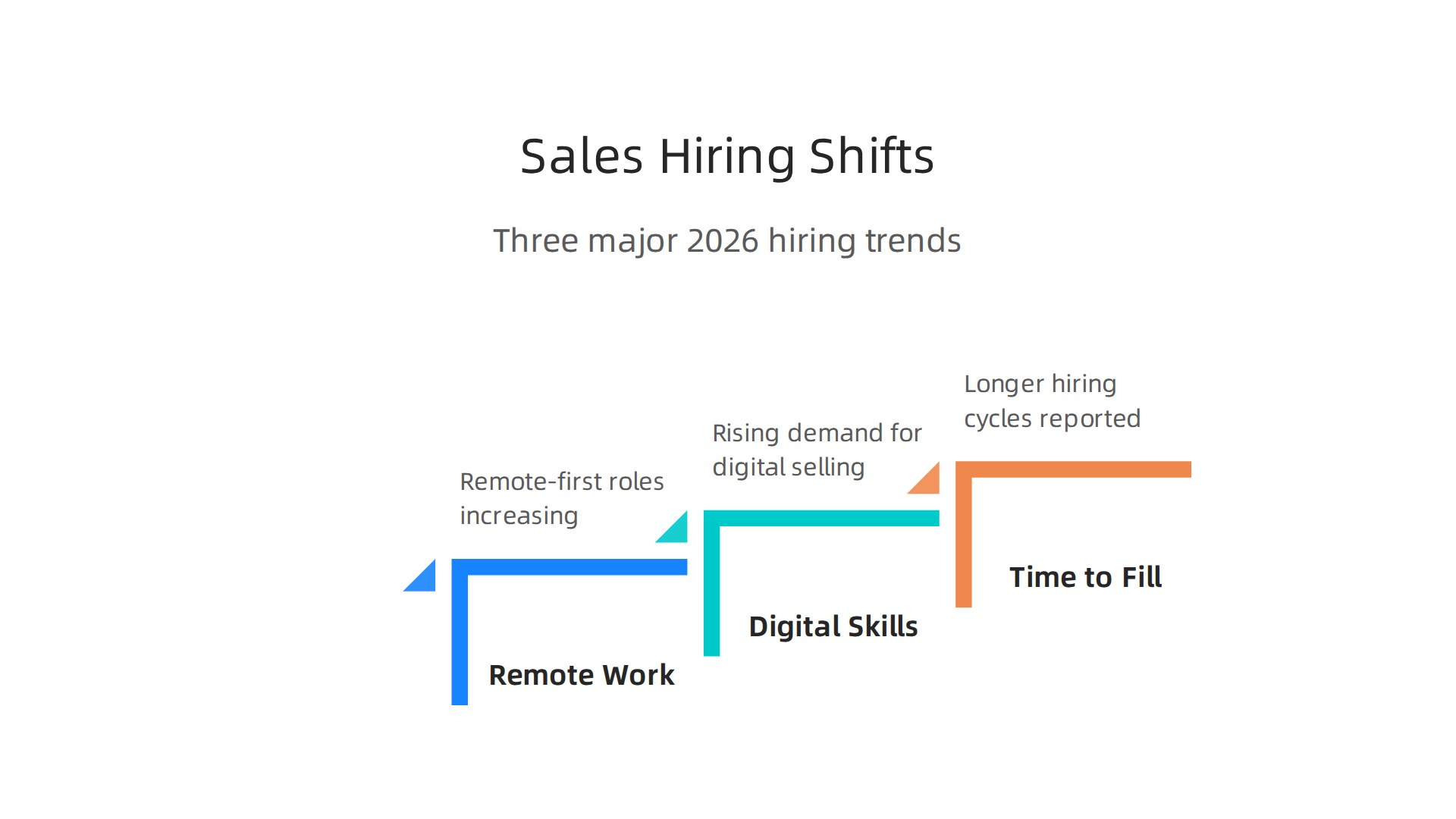
To fix your hiring process, you first need to understand where the market stands. Sales hiring in 2026 looks nothing like it did a few years ago. The data shows three major shifts that every hiring manager and job seeker should know.
**Remote and hybrid work is here to stay.

** The pandemic permanently changed where sales happens. Today, many companies offer remote or hybrid options, which opens up the talent pool to candidates from across the country, not just your local area. According to an analysis of sales role trends in 2026, the skills that predict success have shifted meaningfully since 2020.
Employers are now casting a wider net for talent, but they are also being more selective. In fact, 52% of employers plan to hire in 2026, but they are focusing on fewer, high-impact roles.
Digital selling skills now matter more than tenure. Gone are the days when a long list of past sales titles guaranteed an interview. In 2026, employers prioritize candidates with digital selling skills, CRM proficiency, and adaptability. The market is crowded. Job postings on entry-level platforms dropped 15% while applications surged 30%. That means you cannot rely on a generic resume. Sales professionals who invest in modern skills, like mastering CRM tools, stand out. If you are looking to strengthen your digital toolkit, consider reviewing strategies for CRM implementation services for sales growth.
Time-to-fill remains high due to skill mismatches. Even though the number of sales job openings is growing, finding the right fit takes longer. The numbers are stark. Only 0.5% of job applicants actually land an offer. Yet when the right candidate comes along, offer acceptance rates hit 82%, the highest since 2021. This tells us that candidates are picky and employers are picky. The mismatch between what employers need and what applicants offer slows everything down. Employers are projecting a 1.6% increase in hiring for the Class of 2026, but filling those roles will take smart, targeted efforts.
These trends explain why a unified system like Paycor Recruiting can make a real difference. Instead of guessing which candidates fit, you can track applicants, screen for digital skills, and onboard new hires in one platform. The old way of hiring is not cutting it anymore.
Want to learn more about navigating the 2026 sales job market? Read More Articles for expert advice and actionable strategies.
Why Paycor Recruiting Is a Game-Changer for Sales Talent Acquisition
The data we just covered paints a clear picture. Sales hiring in 2026 demands speed, precision, and modern tools. That is exactly where Paycor Recruiting comes in. Instead of juggling spreadsheets, email threads, and sticky notes, this platform brings everything under one roof.
Here is how Paycor Recruiting changes the game for sales teams.
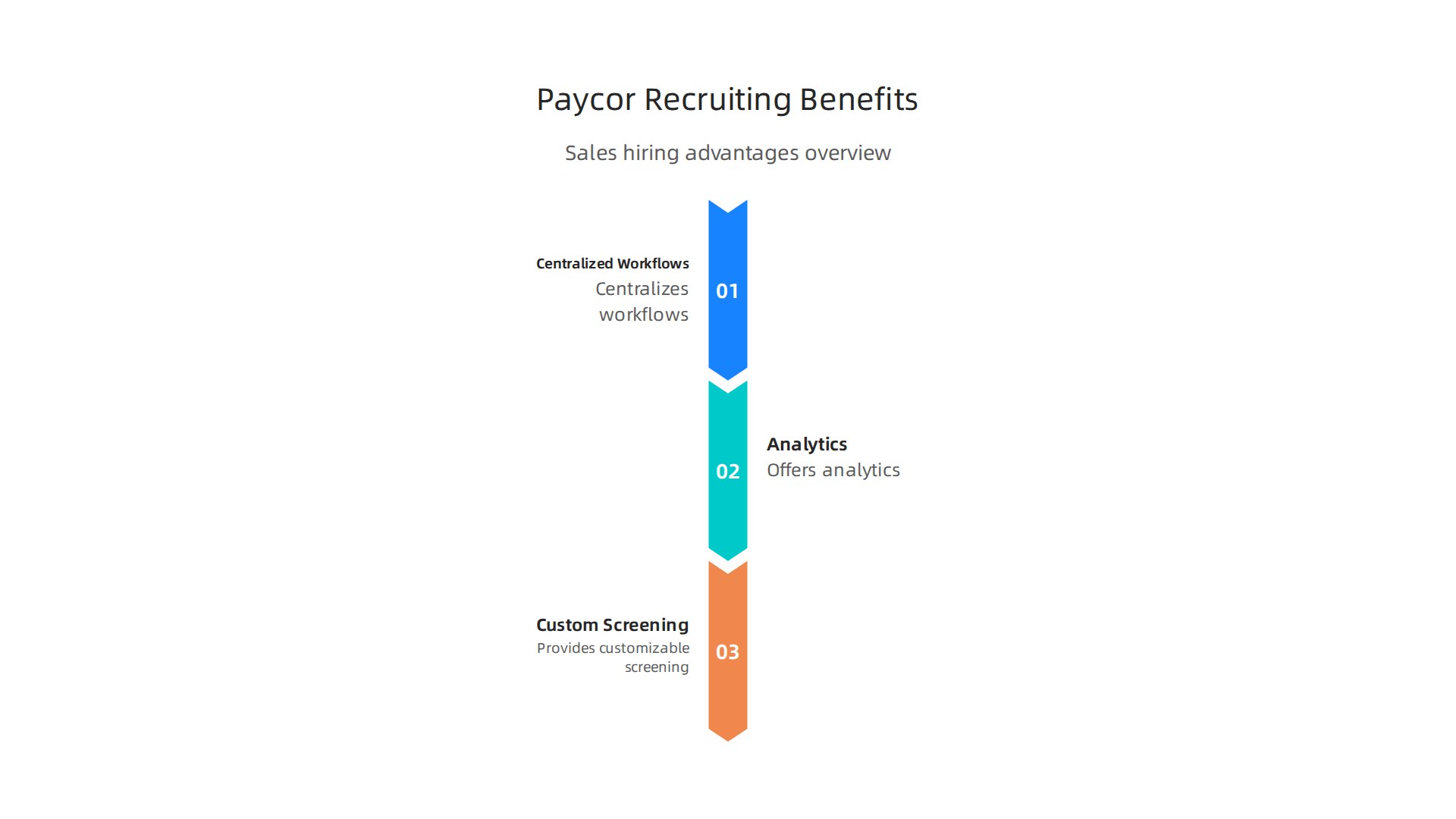
First, it centralizes your entire hiring workflow. Candidate sourcing, application tracking, and team communication all live in one place. No more switching between tabs or losing messages in your inbox. Recruiters can post to multiple job boards, screen applicants, and coordinate interview schedules without the manual grind. In fact, 64% of recruiters using recruitment software report increased retention, reduced time-to-fill, and improved productivity.

That is a massive efficiency gain for any sales hiring team.
Second, the built-in analytics reveal what is actually working. Paycor Recruiting helps you spot bottlenecks in your pipeline fast. You can see exactly which sources deliver qualified sales candidates, whether that is a referral program, a specific job board, or partners like integrity staffing solutions. With predictive analytics, you can slash your time-to-hire by 40 to 60 percent compared to traditional methods. That matters when high-demand sales roles already take an average of 44 days to fill.
Third, customizable workflows let you screen for sales-specific skills. Not every sales role requires the same competencies. An inside sales rep needs strong CRM skills, while a field sales role demands relationship-building. Paycor Recruiting lets you design assessment stages that match the real criteria for success. You can filter for digital selling ability, cold calling experience, or product knowledge without wading through irrelevant resumes.
Want to see how these features stack up against other tools? Browse Resources to compare platforms and find the right fit for your sales hiring strategy.
For teams working with agencies like idr recruiting or managing their own in-house process, Paycor Recruiting removes the guesswork. It turns chaotic hiring into a smooth, repeatable system. And in a market where only 0.5% of applicants get an offer, every edge counts.
Building an Ideal Sales Candidate Profile (ICP)
Have you ever posted a sales job and received hundreds of resumes, only to find almost none of them fit? That happens when you skip one crucial step: defining your Ideal Candidate Profile, or ICP.
Think of an ICP as a blueprint for your perfect sales hire.
It separates must-have technical skills from nice-to-have traits. For an inside sales role, must-haves might include cold calling experience and CRM proficiency. For a field sales role, relationship building and negotiation skills take priority. Nice-to-have traits like specific industry knowledge can be learned on the job.
A clear ICP also helps you reduce bias. Instead of relying on gut feelings, you use a structured competency framework. Research shows that competency-based hiring improves retention and first-year performance. It keeps the focus on what actually predicts success in your specific sales context, whether that is enterprise or SMB.
This is where Paycor Recruiting shines. The platform lets you create custom fields and build scoring rubrics that rank candidates against your ICP automatically. You can assign more weight to cold calling ability if the role demands it, and less to education. The system then surfaces the best matches first. Sales skills assessments combined with structured scoring can prevent costly mis-hires, and Paycor Recruiting makes this process simple.
By formalizing your ICP, you stop wasting time on candidates who look good on paper but lack the core skills your sales team needs. You also make better decisions backed by data, not intuition.
Want to learn how to design your own sales competency framework? Check out our career assessment for sales guide for practical steps.
For more resources on building your sales hiring process, Browse Resources and explore our full library of tips and templates.
Overcoming Information Overload: How Paycor Recruiting Centralizes Your Search
Let’s be honest. If you are a recruiter or hiring manager in 2026, you know the pain. Job postings live on LinkedIn, Indeed, your company career site, and maybe even niche boards. Resumes pile up in your email. You have notes in spreadsheets and sticky notes on your monitor. It is a mess.
This chaos is what we call information overload. It slows everything down. In fact, the average time-to-fill for high-demand roles has climbed to 44 days according to MSH Talent. That is a lot of time wasted on just organizing applications.
Paycor Recruiting is built to fix this exact problem. Instead of jumping between different systems, you get one dashboard where everything lives. All your job postings from every platform show up in the same place. Every applicant appears in one list. No more switching tabs or digging through old emails.
But centralization is only the start. Paycor Recruiting also uses advanced filters and AI-based matching. These tools automatically sort through the noise and surface only the candidates that match your Ideal Candidate Profile. 64% of recruiters using recruitment software report better retention and faster hiring. That matches what Paycor Recruiting delivers.
Think about what this means for your team. Instead of manually reviewing hundreds of resumes, the system does the first round of sorting for you. It scores each candidate against your ICP. Only the best matches move forward. Predictive analytics can slash time-to-hire by 40 to 60%. Paycor Recruiting brings that power to your hiring process.
You might be familiar with other recruiting options like integrity staffing solutions, idr recruiting, or the agency recruiting. But those often rely on external agencies that do not fully integrate with your internal process. Paycor Recruiting puts control back in your hands by centralizing everything in one tool.
For sales professionals who want to make their own job search more efficient, check out our guide on LinkedIn job search tips for sales professionals. It helps you cut through the clutter from the candidate side.
Ready to streamline your hiring workflow? Browse Resources for more guides and tools to build a smarter recruiting process.
Addressing Skill Gaps with Data-Driven Pre-Employment Assessments
Here is the truth about resumes: they don’t tell you if someone can actually sell. A candidate might look perfect on paper but freeze during a real sales conversation. That is why standard resume reviews often fail to reveal a candidate’s true ability.
Pre-employment assessments change that. Structured tests like role-plays, sales aptitude exams, and situational judgment exercises give you objective insights. These tools have a predictive validity of about 18 percent, which is much higher than basic interviews or resume screens (source: Sales Assessment Testing). In other words, assessments tell you who can do the job, not just who looks good on a sheet.
Paycor Recruiting makes this easy by integrating with popular assessment platforms. When a candidate completes a test, their score is automatically recorded in Paycor Recruiting. You can weigh those scores alongside other factors in your candidate rankings. This means you don’t have to switch between tools or manually enter data.
For sales roles, the best assessments simulate real interactions. Role-play exercises and scenario-based tests tend to have the highest predictive validity (source: Pin). When you align these assessments with your Ideal Candidate Profile, you filter out candidates who lack core skills early in the process. That saves your team hours of interview time.
Think about how this changes your hiring workflow. Instead of spending 30 minutes on every phone screen, you only talk to candidates who already proved they can handle a sales situation. Using a data-driven approach to validation ensures the assessment is actually predictive of success within your organization. Paycor Recruiting brings that structure into your hiring pipeline.
If you want to deepen your understanding of how assessments fit into your career growth as a sales professional, check out our guide on career assessment for sales. It helps you see the process from the candidate side too.
Ready to build a smarter hiring system with assessments? Browse Resources for more guides on using data to find top sales talent.
Lack of Career Path Clarity: Helping Beginners and Career Switchers
If you are new to sales or thinking about switching careers, the path forward can feel confusing. You might see job titles like Business Development Representative or Sales Development Representative and wonder where they lead. The truth is many sales careers are unclear to outsiders. Entry-level roles like BDR and SDR often open doors to account executive positions or management tracks. But if that path is hidden, talented people pass on great opportunities.
Here is where Paycor Recruiting makes a real difference. The platform lets recruiters add detailed career path descriptions directly into job postings.
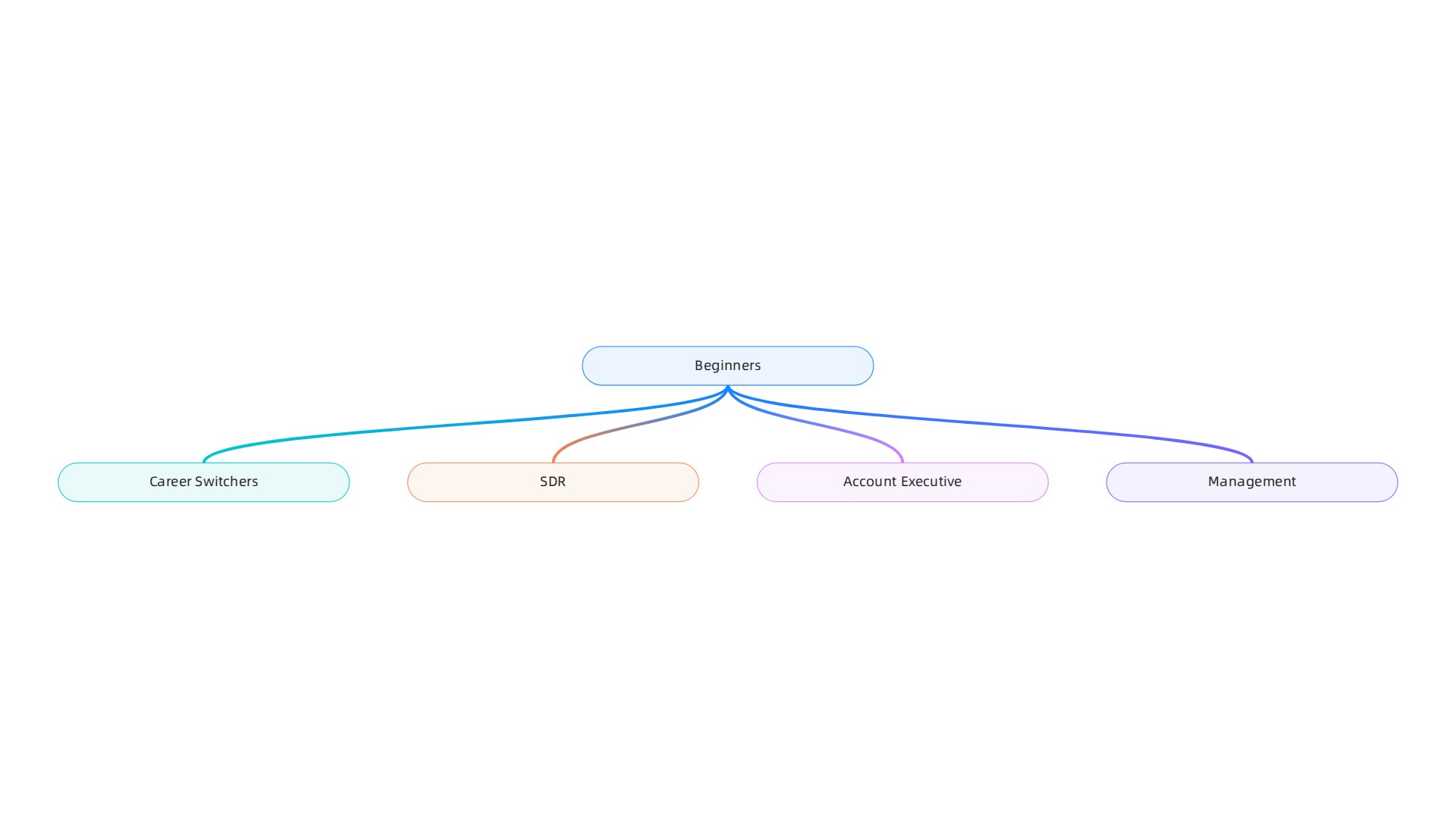
Instead of just listing duties, you can show candidates exactly how a role grows. For example, a posting could say: "Start as an SDR. With strong performance, move to Account Executive in 18 months. Top performers advance to team lead within three years." That kind of clarity attracts career switchers who want to see a future, not just a paycheck.
Research confirms that competency-based assessments and frameworks help define clear career progression (source: Competency-Based Assessment: Methods, Steps & Examples in 2026). When you use Paycor Recruiting to highlight these paths, you give beginners and career switchers a reason to apply. They no longer guess if the role is a dead end.
You also need to get real about income early. Many sales jobs promise high earnings but fail to explain the split between base salary and commission. When you use Paycor Recruiting to include realistic income expectations in job postings, you reduce confusion. Candidates know exactly what they can expect. That honesty cuts down on drop-off during the hiring process.
If you want more insight on mapping your own sales career, check out our guide on career assessment for sales. It helps you see the ladder from both sides.
Ready to attract career switchers with clear job postings? Browse Resources for more tips on using Paycor Recruiting to build a transparent hiring process.
Ineffective Job Search Strategies: Resume, Interview, and Application Tactics
Here is the thing. Sending out generic applications and hoping something sticks feels like throwing darts blindfolded. Most sales candidates waste time on tactics that simply do not work anymore. The old approach of listing your duties and waiting for a callback gets you nowhere.
Your resume must tell a story with numbers. Sales managers want to see impact, not activity. Instead of writing "managed a territory," say something like "exceeded quota by 18 percent for four straight quarters" or "built a pipeline worth $500,000 in six months." Research shows that structured tools like pre-employment assessments have higher predictive validity than basic resume screens (Top 15 Sales Assessment Tools for 2026). That means your resume needs to scream measurable success from the start.
Interview preparation goes wrong when you only practice general answers. Sales interviews should test real-world problem solving. You need to show you understand a sales methodology and can apply it on the spot. Scenario based questions like "walk me through your process for handling a prospect who says no after the demo" separate the prepared from the unprepared. Using structured assessments helps hiring teams focus on actual skills instead of gut feelings (Sales Assessment Test Validity: What You Need to Know).
This is where Paycor Recruiting shines. Its interview kit feature lets your hiring team standardize questions and scorecards for every candidate. No more winging it with random questions. You create a consistent process that evaluates everyone fairly. That consistency matters whether you are working with integrity staffing solutions, idr recruiting, or the agency recruiting partners. Everyone stays on the same page.
If you want to sharpen your own sales interview skills, check out our guide on LinkedIn job search tips for sales professionals that land interviews in 2026. It covers how to optimize your profile and approach recruiters the right way.
Ready to build a smarter hiring process? Read More Articles for full guides on using Paycor Recruiting to improve your resume and interview strategies.
Finding Legitimate Remote Sales Opportunities
Remote sales jobs sound like a dream. No commute, flexible hours, and the chance to work from anywhere. In 2026, these roles are still out there, but they attract plenty of scams. Multi-level marketing schemes and low-base packages disguise themselves as dream jobs. You need a sharp eye to tell the difference.
The good news? Remote and hybrid sales jobs are growing in key industries. According to Robert Half, on-site roles are rising, but fully remote positions haven’t disappeared.
They’ve just become more selective. Another report from Account Makers shows that remote sales hiring is booming in tech, healthcare, and financial services. So the opportunities exist. But how do you find the real ones?
Start by looking for signs of legitimacy. Real companies include benefits details, salary ranges, and company information in their listings. They don’t ask you to pay for training or buy inventory upfront. Recruiters using Paycor Recruiting can build job posts that show benefits and verify company details, which helps honest employers stand out. When you see that level of transparency, you can trust the opportunity more.
Next, check platform ratings and Glassdoor reviews. A company with consistent negative feedback or no online presence at all is a red flag. Honest recruiters want you to feel confident, so they share those details. That’s where partners like integrity staffing solutions, idr recruiting, or the agency recruiting come in. They use tools like paycor recruiting to keep their processes clean and transparent.
If you want a deeper look at spotting scams, check out our guide on how to find sales jobs in 2026 without getting scammed. It lists specific red flags and safe search strategies.
Building trust with remote applicants comes down to honesty. The best employers show everything upfront: compensation, benefits, and company culture. When you see that, you know you have found a legitimate role.
Ready to explore more sales career resources? Browse Resources to read full guides on landing safe, high-quality remote sales positions.
Adapting to Remote Sales: Best Practices for Virtual Environments
So you found a legitimate remote sales job. Now comes the real test. Selling from your living room is not the same as selling from an office. You need to master a whole new set of skills.
First, virtual communication tools are your lifeline. You will spend hours on Zoom, Google Meet, or a company video platform. Your voice, your lighting, your background. Everything counts. Recruiters who use Paycor Recruiting know this, which is why their platform includes video interview integration. This feature lets them evaluate your presence and presentation skills before they ever make an offer, even if you live in a different time zone.
Speaking of time zones, managing them takes self-discipline. In 2026, remote sales roles have become more selective according to Robert Half. You need to show you can work alone, hit targets, and handle calls at 8 AM Pacific or 5 PM Eastern without missing a beat.
Recruiters from agencies like integrity staffing solutions, idr recruiting, and the agency recruiting often look for signs of remote readiness. They ask about your home office setup. Do you have a quiet space? A reliable internet connection? They also ask about your experience with video calls and independent work style. When you can answer these questions confidently, you prove you are ready for the virtual environment.
One way to boost your remote skills is by learning to present yourself well in interviews. Our guide on LinkedIn job search tips for sales professionals that land interviews offers advice that applies perfectly to virtual settings.
Adapting to remote sales is about more than just having a headset. It is about showing you can connect with customers and colleagues from anywhere. When you master virtual selling, you open the door to more freedom and higher earnings.
Ready to take the next step? Browse Resources to find more guides on landing and thriving in remote sales roles.
Summary
Finding and hiring top sales talent in 2026 requires new tactics because remote work, digital selling skills, and crowded applicant pools have changed the rules. This article explains the shifting market—fewer postings but many more applicants, longer time-to-fill, and a stronger emphasis on digital and CRM skills—and shows how a unified platform like Paycor Recruiting solves those problems by centralizing workflows, surfacing analytic insights, and integrating assessments. You’ll learn how to build an Ideal Candidate Profile, use data-driven pre-employment tests, and create structured interview kits that reduce bias and mis-hires. The guide also covers practical advice for writing results-focused resumes, spotting legitimate remote roles, and preparing for virtual selling so hiring managers and candidates can move faster and make better matches.