

Introduction
Maybe you are looking at job boards again. Scrolling through endless sales roles, wondering which one actually fits you. You are not alone.

Here is the reality for 2026. The job market is moving fast. According to recent data, U.S. hiring leaders expect employee turnover to rise to 50% this year, up from 39% in fall 2024. That is a lot of movement. And in sales specifically, the numbers are tough. As of late 2024, average quota attainment sat at only 43.14%.
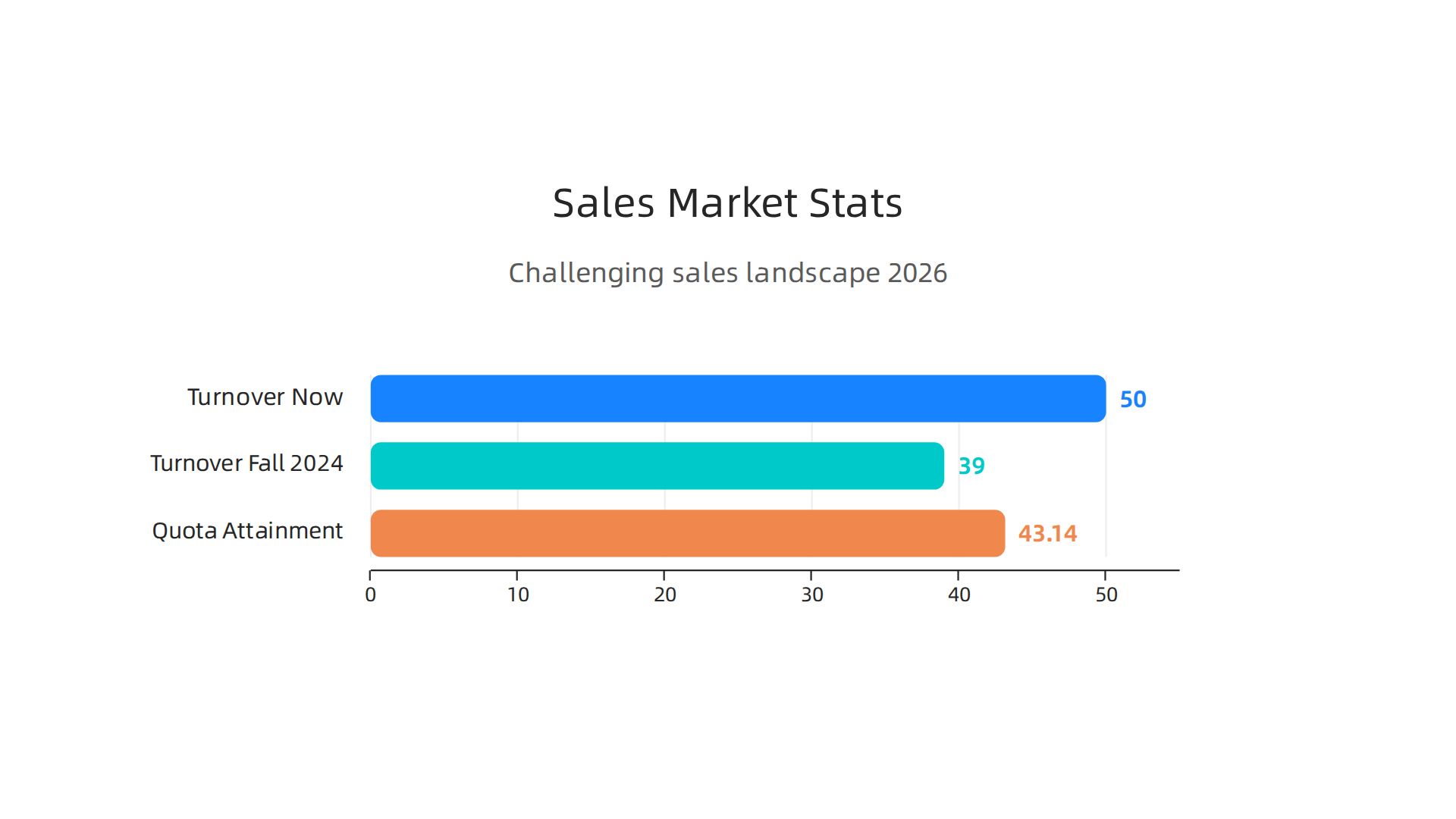
That means more than half of salespeople miss their targets.
So what does this mean for you?
It means the old way of just picking any sales job and hoping works is broken. You need a smarter approach. You need a career assessment.
A formal career assessment is not just a personality test. It is a structured way to understand your strengths, your natural selling style, and the environments where you will thrive. When you know your fit, you stop wasting time on roles that make you miserable. You start targeting jobs where you actually succeed.
This guide will walk you through a simple step by step process. You will learn how to assess your core skills, explore different career clusters within sales, and match your profile to a role that fits. We will even touch on how to use compass careers thinking to plan your next move and find value at recruiting events.
The goal is simple. Stop guessing. Start knowing.
Ready to find the sales path that works for you? Let us walk through it together.
Why Career Assessment Is Critical for Sales Professionals
So why does a career assessment matter so much for sales? Let’s look at the hard numbers.
Here is the thing about sales. It is one of the most common entry points into the business world. But many people jump in without really knowing if they fit. That is a recipe for burnout. In 2026, U.S. hiring leaders expect employee turnover to hit 50%, up from 39% in fall 2024. That is a huge jump. And in sales specifically, the stats are even tougher. As of late 2024, average quota attainment was only 43.14%, according to sales compensation data. So more than half of salespeople are missing their goals.
Why does this happen so often? A big reason is poor fit. Many sales professionals pick a role based on the job title or the paycheck, not on where their natural strengths lie. They end up in environments that drain them. They try to force a consultative selling style when they are better at high volume calls. Or they take a role that requires tons of cold outreach when they shine in relationship building. That mismatch leads to frustration, low performance, and eventually quitting.
A career assessment changes that. It is not just a fun personality quiz. It is a structured way to uncover your core skills, your blind spots, and the sales niches where you will thrive. Think of it like a compass. When you know your direction, you stop wandering into dead end roles.
You start hunting for jobs that actually play to your strengths. That is where the idea of career clusters comes in. Sales is not one single job. It is a collection of clusters. Inside sales, outside sales, B2B, B2C, transactional, consultative. Each cluster demands a different mix of talents. A career assessment helps you see which cluster fits you best.
When you combine assessment data with a compass careers mindset, you plan your moves strategically. You do not just take the first offer. You target roles that align with your long term growth. And when you attend recruiting events, you walk in with confidence because you know exactly what you are looking for.
The bottom line is simple. Sales is hard enough without being in the wrong seat. A career assessment gives you clarity. And clarity leads to higher job satisfaction and better performance. For a deeper look at the top sales roles in 2026 and how to plan your path, check out this sales career roadmap. It will help you connect the dots between your assessment results and real job opportunities.
The Core Dimensions of a Sales Career Assessment
So what does a good career assessment actually measure? It is not just one thing. The best assessments look at several dimensions of who you are. Think of it like getting a full health checkup for your career instead of just checking your temperature.
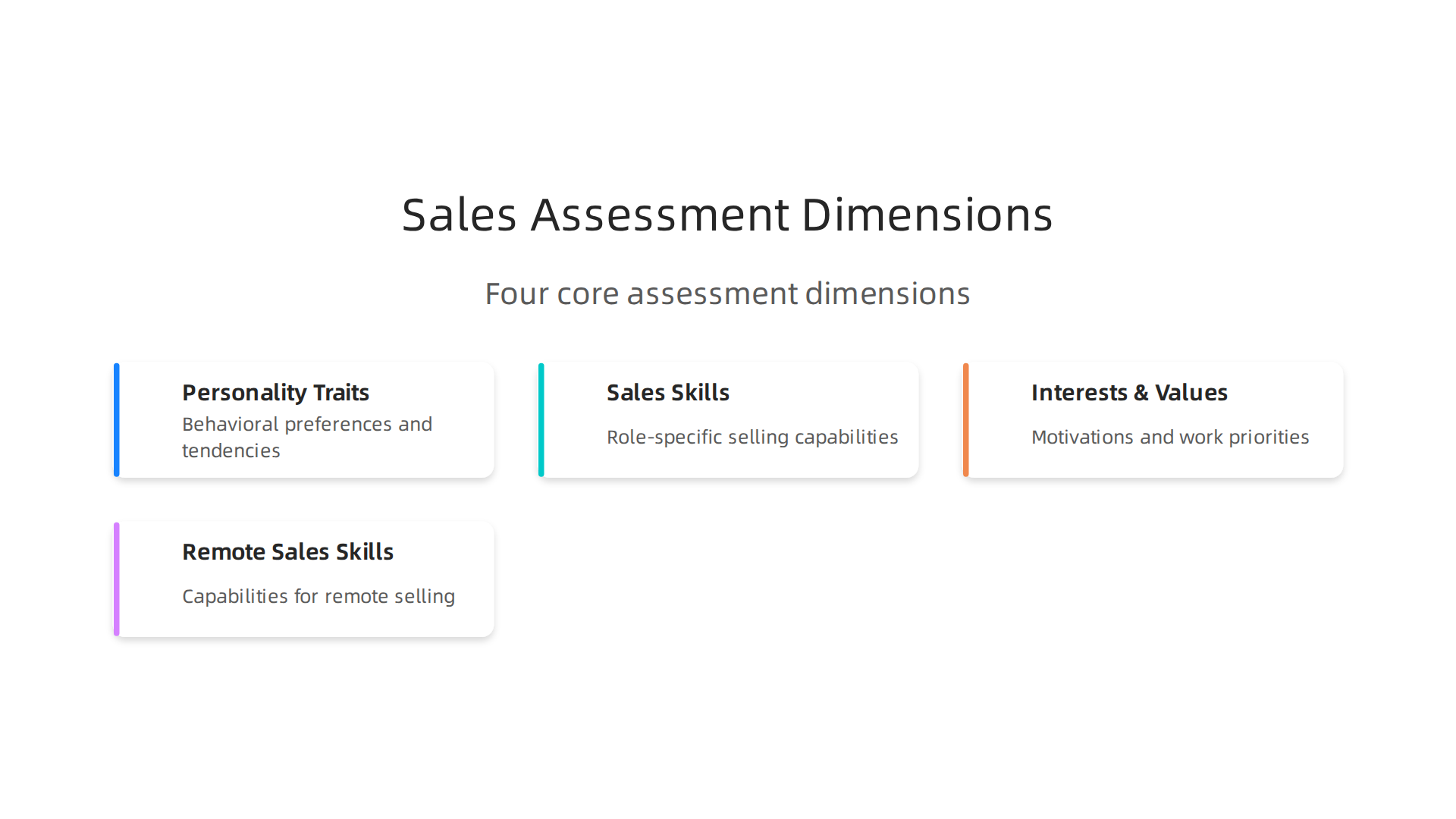
Personality traits come first. Resilience, assertiveness, and emotional stability matter a lot in sales. Can you handle rejection without getting crushed? Can you push back politely when a prospect says no? These traits are baked into your personality. Assessments that dig into traits help you see where you naturally stand. Many of the top tools in 2026 use proven frameworks like the Big Five or DISC to map your tendencies.
Sales-specific skills are a second dimension. Lead generation, objection handling, closing techniques. These are learnable, but some people pick them up faster than others. A good sales skills assessment will pinpoint your current skill level in each area. It shows you where you are strong and where you need training.
Your interests and work values form the third piece. Do you like fast-paced transactions or long-term relationship building? Is autonomy more important than a steady paycheck? These questions matter. Comprehensive systems like Career Dimensions measure your values alongside your skills. They help you find roles that feel fulfilling, not just tolerable.
Remote sales adds extra dimensions. If you want to work from home, you need high self-discipline, strong virtual communication skills, and the ability to stay focused without a manager hovering. A personality assessment can reveal whether you thrive in that environment or crash.
When you understand these core dimensions, you stop guessing. You can match your traits, skills, and values to the right career cluster. And once you know your dimensions, you can build the skills you lack. For example, if your assessment shows you need better CRM skills, you can take steps to improve. Check out this guide on how to master CRM implementation services for a direct way to level up.
A solid career assessment covers all these angles. That is what makes it a compass for your future.
How to Choose and Use Validated Assessment Tools
Now you know the core dimensions a career assessment should measure. But here is the truth: not all assessments are created equal. Some are backed by years of research. Others are just fun quizzes that feel good but tell you nothing useful. If you want a compass that actually points you in the right direction, you need to pick wisely.
First, look for reliability and validity. A validated assessment has been tested on large groups over time. It gives consistent results and actually predicts job performance. Companies like Overvue and Criteria Corp build tools specifically for sales hiring, with proven track records Sales Assessment Tools 2026. Stay away from any tool that cannot show you its research or explain how it was developed. The best sales assessment tools in 2026 all publish their validity data
Top 15 Sales Assessment Tools for 2026.
Second, know what each popular tool measures. No single tool covers everything. DISC, for example, maps your communication style and behavioral tendencies. You can take a validated DISC test from providers like Truity to see where you land on dominance, influence, steadiness, and conscientiousness. A Sales Aptitude Test focuses on your ability to handle objections, negotiate, and close. Tools like Predictive Index and Caliper dig into cognitive abilities and drive Top 10 Sales Assessment Providers and Tools in 2026. StrengthsFinder (now CliftonStrengths) highlights your natural talents. Choose the tool that matches what you want to learn. If you are curious about communication style first, start with DISC. If you want to test raw sales skills, go with a sales aptitude test.
Third, always combine the test results with real-world feedback. An assessment gives you a snapshot. But your actual behavior depends on context. Ask a trusted coworker or mentor how they see you in sales situations. Does their view match the assessment? Also take time to reflect on past wins and losses. Did you enjoy the long consultative sales or the quick transactional calls? The combination of psychometric data plus honest self-reflection gives you the most complete picture.
Finally, use the results to create a plan. A validated career assessment is not a magic answer. It is a starting point. Once you know your strengths and gaps, you can target the right career cluster or skill-building path. For example, if your DISC profile shows you are high in influence but low in conscientiousness, you might need to strengthen your follow-up habits. You can then find resources to build those skills. If you are still deciding which sales path fits your profile, check out this guide on the most in-demand sales jobs in 2026 to see where your traits align.
Pick a validated tool. Take the test. Talk to people you trust. Then take action. That is how you turn a career assessment into a real career advantage.
Conducting a Self-Assessment: Step-by-Step Guide
So you picked a validated tool and got your results. Now what? The next step is to turn those numbers and labels into real insights you can act on. A career assessment is only useful if you take the time to understand what it means for you.
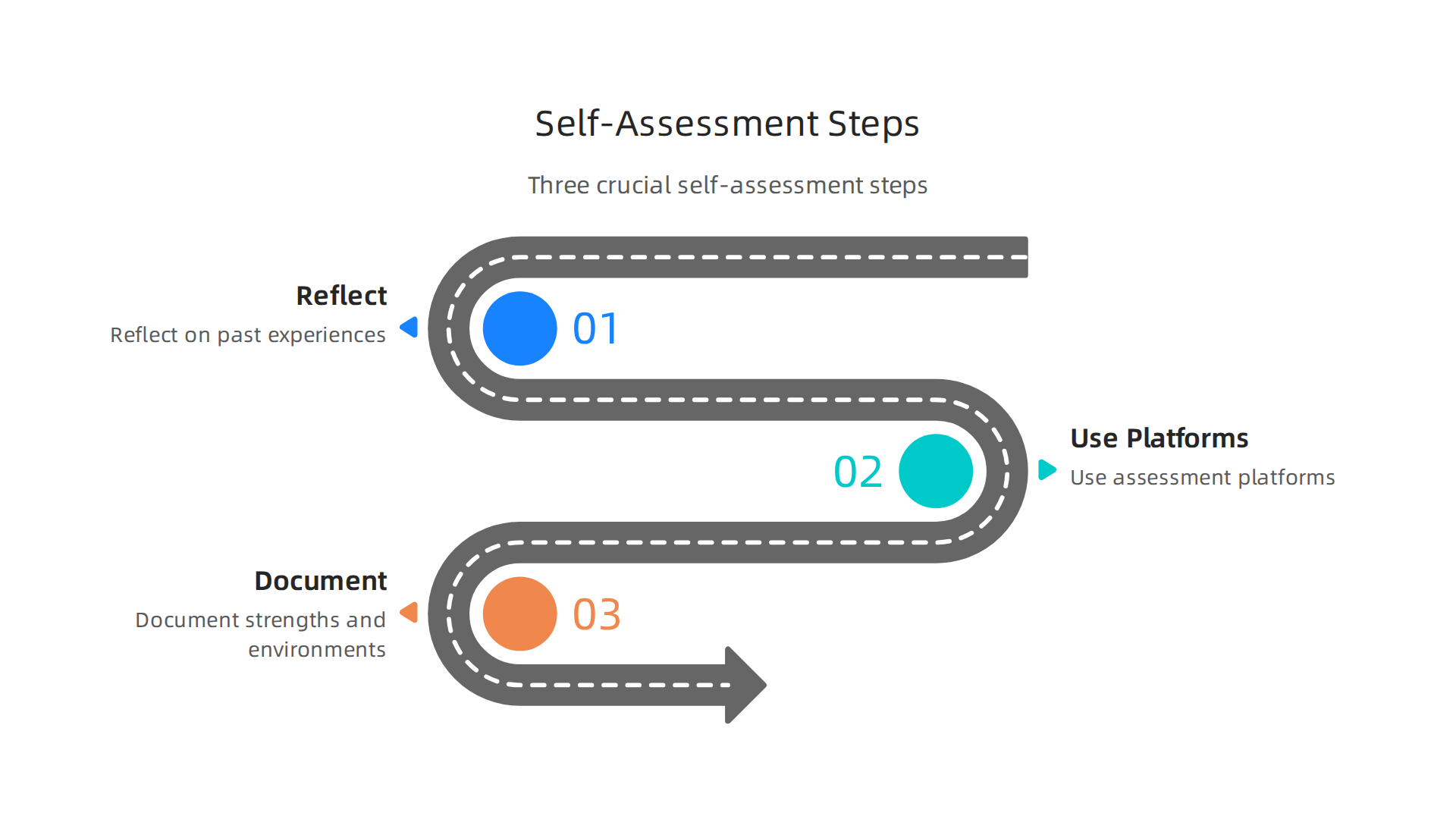
Step 1: Reflect on your past sales experiences and the feedback you have received. Look back at your best and worst sales days. What made them different? Ask a former manager or a trusted coworker to share honest observations. Sometimes the gap between how you see yourself and how others see you is where the real growth opportunities live. A sales skills assessment guide can help you think through these questions Sales Skills Assessment 2026 Guide. Write down patterns you notice.
Step 2: Use free or low-cost assessment platforms to gather more data. You do not need to spend a fortune. Many sites offer reliable tests for a small fee or even for free. For example, Focus2Career helps you match your personality, values, and skills to career options Focus2Career assessment. Other platforms like ADEPT-15 and the tools listed in the top online career development resources for 2026 give you a second data point to compare with your first test Best Online Career Development Resources 2026. Taking two different assessments can show you where your results are consistent.
Step 3: Document your strengths, growth areas, and preferred work environments. Write down three columns: what you are naturally good at, what you need to improve, and what kind of sales environment you enjoy. Do you thrive in fast-paced transactional sales or longer consultative cycles? Do you prefer working alone or on a team? This documentation becomes your personal compass for exploring career clusters. For example, if you score high on influence and low on structure, a role like business development might fit better than a role that requires strict follow-up processes. You can then use this profile to target specific roles or even attend recruiting events to test your fit in person.
Once you have your self-assessment written down, you are ready to explore which sales paths align with your profile. Check out this guide on the most in-demand sales jobs in 2026 to see where your strengths match real opportunities. The goal is not to find a perfect answer. It is to find a starting point that feels right.
Interpreting Assessment Results: Matching to Sales Roles
You have your assessment results in hand. You know your strengths, your growth areas, and the kind of work environment you like. Now comes the fun part. Matching those results to actual sales roles that fit you.
Here is the truth. Not all sales jobs are the same. Some require you to be a hunter who loves competition. Others need a farmer who builds long term relationships. Your assessment scores can point you toward the right path.
Let us look at three common patterns.
High scores in competitiveness and risk tolerance. If your results show you love to win, handle rejection well, and feel comfortable taking risks, you might be a natural fit for B2B enterprise sales. These roles involve hunting for big deals, long sales cycles, and high pressure. Companies use tools like the Top 15 Sales Assessment Tools for 2026 to find candidates with these traits. If this sounds like you, start targeting enterprise sales jobs.
Interest in relationship building. Maybe your assessment shows you are high in empathy, cooperation, and communication. That points toward account management or customer success roles. These jobs are about keeping existing clients happy, solving their problems, and growing accounts over time. You thrive when you can build trust. A DISC personality test can help you see this strength clearly Truity DISC assessment. Consider looking for roles where long term relationships matter more than fast closes.
Low resilience or discomfort with rejection. If your results show you struggle with constant rejection or need a more structured day, that is okay. It does not mean sales is not for you. It means you should look at inside sales or transactional sales roles. These positions often involve shorter cycles, less rejection, and more predictable processes. Think of phone based or online sales where the pressure is lower. The key is to match your energy to the role.
Once you know which path fits, you can search for those specific jobs. Check out our guide to the most in demand sales jobs in 2026 to see where your assessment points match real open positions. Your assessment is not a label. It is a compass. Use it to find the sales role where you can do your best work and actually enjoy it.
Navigating Sales Career Paths and Income Expectations
Your assessment gave you a direction. Now let’s talk about where that path can lead you and what you can actually expect to earn. Sales careers are not one size fits all. Understanding the different paths and their income potential helps you target the right opportunities.
The classic sales ladder. Many salespeople start as a Sales Development Representative (SDR) and move up to Account Executive (AE). From there, you might move into management or specialize in complex B2B deals. According to Flexa, the most in demand sales jobs in 2026 include Account Executive, SDR, and Customer Success Manager. If your career assessment shows strong competitiveness, the AE path might be your best bet. If you prefer building relationships, Customer Success could be a better fit. You can learn more about the typical progression in our guide to the most in demand sales jobs in 2026.
Income expectations vary a lot. Your earning potential depends on your role, industry, experience, and location. For example, the top 10 highest paying sales jobs in 2026 include roles in enterprise software, medical devices, and financial services, according to Nexford. Some of these roles pay well over $100,000 per year. Remote jobs in sales are also booming. Money Talks News reports that sales and business development career categories showed the highest growth in remote jobs paying $100,000 or more. But keep in mind that remote work trends are changing. Robert Half notes that fully on site roles are rising again, so flexibility may shift. Use your assessment results to find a path that matches both your strengths and your income goals.
Match your assessment to realistic targets. If your career assessment shows you are high in empathy and enjoy helping others, a Customer Success Manager role could be a great fit with solid earning potential. If you are a natural hunter, enterprise sales might pay more but come with higher pressure. Think about the career clusters that fit you. A good match means you will be happier and earn more over time. Sales role trends for 2026 show that the average sales rep tenure has dropped to 18 to 30 months, according to JustSalesJobs. This means you might change roles more often, so knowing your compass careers early helps you move strategically.
Your assessment is not just about finding a job. It is about building a career that fits who you are and pays you what you are worth. If you want to explore specific roles more deeply, check out our guide on how to become a retail sales consultant in 2026 for one example of a path with clear income potential.
Adapting Assessments for Remote and Hybrid Sales Roles
Your career assessment gave you a great starting point. But here is the thing. The way we sell changed a lot in the last few years. Remote and hybrid roles are common now. And that means your career assessment needs to measure different things.
Why remote sales is different. Selling from home requires skills that are not always obvious. You need strong time management when no one is watching.

You have to communicate clearly through video calls. And you need self motivation without a manager nearby. According to Robert Half, fully on site roles are rising again, but remote and hybrid sales jobs still make up a big part of the market. So your assessment should check if you have what it takes to work well from home.
What good assessments measure now. A proper career assessment for 2026 looks beyond traditional sales traits. It should include digital competency. Can you use CRM tools, video platforms, and sales automation software? It should also check your virtual collaboration skills. Can you build trust with customers you never meet in person? These dimensions matter more than ever. If your assessment does not measure these, it might miss the full picture of your fit for modern sales roles.
Go beyond the quiz. A simple online test is not enough. The best career assessments combine multiple methods. Role play exercises can show how you handle a remote sales call. Virtual job tryouts let you experience a day in the life of a remote sales rep. These hands on activities reveal your real strengths better than a multiple choice quiz ever could. They also help you explore different career clusters before you commit to a path.
Match your skills to the right role. Your compass careers direction might shift once you understand your digital skills better. Someone who thrives with video communication might excel as a Customer Success Manager in a remote setting. Someone who struggles with self motivation might prefer a hybrid role with more structure. Use an assessment that looks at both your in person and virtual abilities. And look for [recruiting events] that let you test these skills in real time with employers.
Your career assessment is only as good as what it measures. Make sure it matches the reality of sales work in 2026. The sales role trends for 2026 show that adaptability is key. If you want to go deeper on building digital sales skills, check out our guide on how to use GenSpark AI for sales to find jobs and close skill gaps. It can help you turn your assessment results into real action.
Creating Your Career Action Plan from Assessment Insights
You took the career assessment. You know your strengths, your gaps, and your compass careers direction. Now what? It is time to turn those insights into real action. A plan on paper is better than a plan in your head.

Turn results into skill goals. Your assessment showed you where you need work. Maybe your negotiation score was low. Or your CRM skills need improvement. Pick the top two or three gaps and set specific goals to close them. For example, if you need negotiation training, commit to completing an online course within 30 days. A study from Coursera shows that creating a goal oriented career development plan helps you stay focused and measure your progress. Write down each skill, the resource you will use, and the date you will finish it by.
Find the right companies and roles. Not every sales job fits your profile. Your assessment results can guide you to specific career clusters that match your natural strengths. If your results show strong virtual communication, look for remote Customer Success Manager roles. If you scored high on structured problem solving, a Sales Engineer position might fit better. Use the insights to identify target companies that hire for those roles. A complete sales plan, as described by Pipedrive, includes knowing your target customers. In your career, you are the product. The companies are your target customers.
Set timelines and milestones. A goal without a deadline is just a wish. Use a template to map out your plan. Smartsheet offers free sales plan templates that you can adapt for your career action plan. Structure your timeline with clear milestones. For example:
- Week 1: Complete negotiation training course.
- Week 2: Update resume to highlight new skills.
- Week 3: Apply to 5 target companies.
- Month 2: Attend 2 recruiting events to network.
- Month 3: Complete 10 informational interviews.
Check out our guide on the sales career 2026 roadmap to see which roles are hiring and what they pay. Your career assessment gave you the map. Now start walking the path.
Summary
This article explains why a formal career assessment is essential for sales professionals and walks you through how to use one as a practical career compass. It defines the key dimensions a good assessment should measure—personality traits, sales-specific skills, values, and remote-work readiness—and shows how those dimensions map to different sales clusters like enterprise, account management, and transactional roles. The guide covers how to pick validated tools, combine results with real-world feedback, and run a structured self-assessment so you can turn test output into concrete goals. It also explains how to interpret results to target roles that match your strengths, set realistic income expectations, and adapt your plan for remote or hybrid work. Finally, the article gives a simple action-plan framework to close skill gaps using CRM and AI tools, prepare for recruiting events, and move intentionally through the sales career ladder instead of guessing. After reading, you’ll know which assessment dimensions matter, which tools to trust, how to match your profile to real jobs, and the next steps to improve and apply your results.