

Introduction: Why Advanced Sales Strategies Are Essential in 2026
The way people buy has changed. And if your sales approach hasn’t caught up, you are already falling behind.
Here is the truth about selling in 2026. The old playbook of building relationships through gut feeling and sheer persistence no longer works the way it used to. Buyers today have more information, more options, and less patience. They expect you to understand their needs before they even finish explaining them. That shift from relationship-based selling to data-driven decision making is not a trend. It is the new standard.

Companies that have embraced this change are seeing real results. Research shows that businesses using predictive analytics in marketing see 15-20% higher ROI on their marketing spend. And studies indicate that sales professionals who adopt advanced strategies see 20-30% higher win rates compared to those who stick with outdated methods.
This matters whether you are perfecting your sales pitch, building your outbound sales pipeline, or leveraging the latest ai tools to automate repetitive tasks. The goal is the same: increase sales without burning out your team or wasting budget on guesswork.
The numbers back this up. The predictive analytics market was valued at over $18 billion in 2024 and is projected to grow to $82 billion by 2030. That kind of investment tells you that data-driven selling is not a passing fad. It is the foundation of modern revenue growth.
In this article, we will walk through a research-backed framework for increasing sales across every channel you use. You will learn practical strategies that work in 2026, grounded in real data and designed for real people.
Before we dive in, take a moment to assess where your current sales approach stands. If you are looking to sharpen your skills or explore new opportunities, contact us for guidance on finding the right sales rep role or training pathway that fits your goals.
And if you want to understand the bigger picture of where sales careers are heading, check out our guide on the most in-demand sales jobs and higher pay in 2026.
It sets the stage for everything we cover here.
Data-Driven Prospecting: Leveraging Predictive Analytics to Increase Sales
Have you ever spent hours chasing leads who never answer or go cold after the first call? That is the old way of prospecting. It drains your energy and hurts your numbers.
Data-driven prospecting changes everything. Instead of guessing who might buy, you use hard data to find the people most likely ready to buy right now.
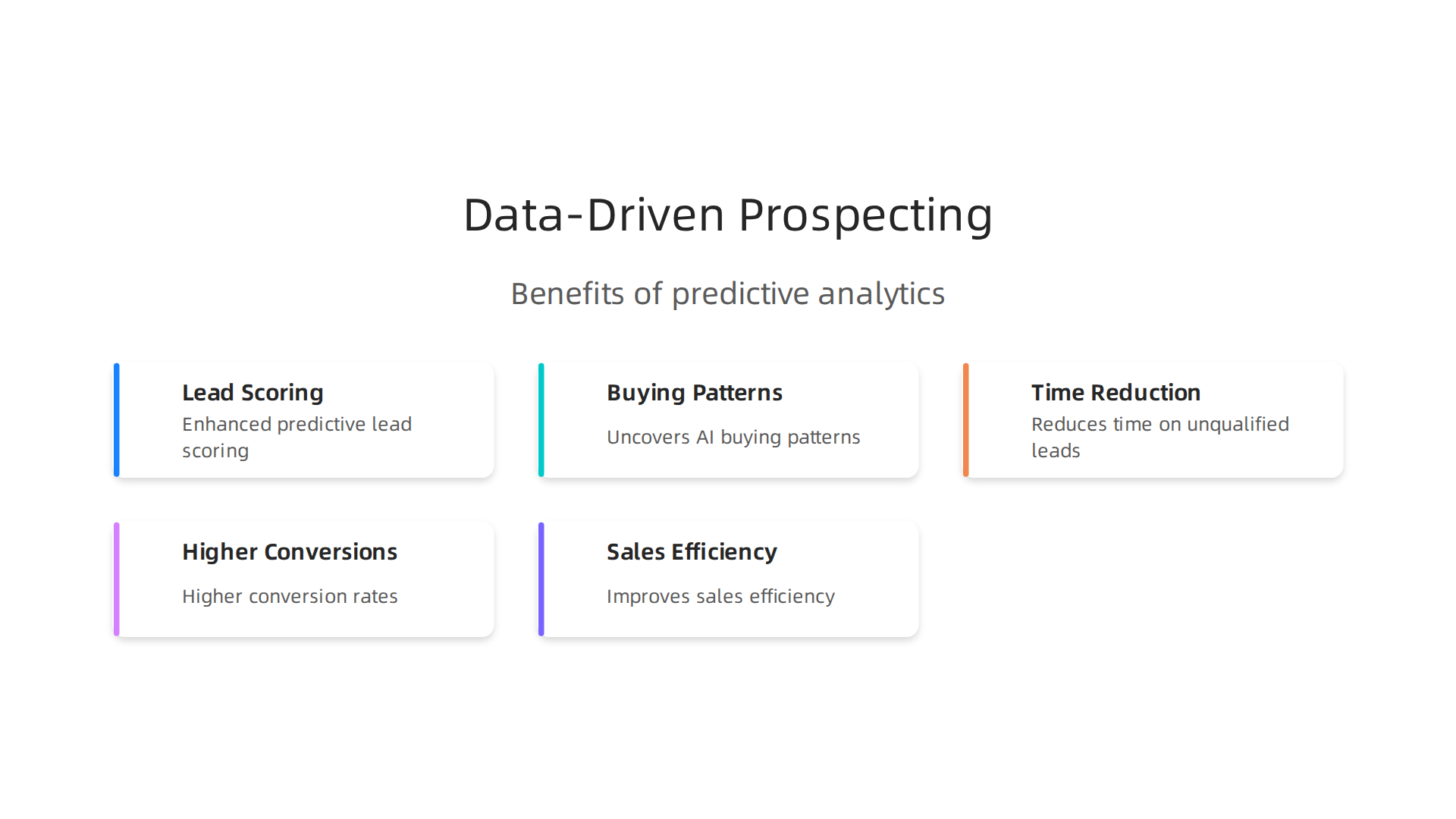
This is where predictive analytics shines. And it is a huge reason why top performers in 2026 are able to increase sales while working fewer hours.
Predictive lead scoring changes the game
Manual lead scoring is slow and often wrong. Predictive lead scoring, on the other hand, studies your CRM data to learn exactly what past buyers looked like. Then it scores new leads automatically. Companies that use predictive lead scoring see conversion rates double compared to manual methods. The predictive analytics market was valued at almost $19 billion in 2024, and it is projected to grow to over $82 billion by 2030. That growth shows how much businesses trust this technology to drive revenue.
AI tools find hidden buying patterns
Your CRM holds a goldmine of data. But spotting the patterns in that data is nearly impossible for a human. AI tools can analyze your CRM and uncover hidden buying behaviors.

For example, you might learn that prospects from a specific industry who watch a demo video first convert at a much higher rate. That insight lets you adjust your sales pitch to match real behavior, not gut feelings. According to recent data, businesses using AI in campaigns see 10-20% higher returns. That is a direct path to better results. If you want to build the skills needed to run these AI tools, check out our guide on using GenSpark AI for sales.
Stop wasting time on bad leads
Here is the reality of outbound sales. Most of your time gets wasted on leads that will never buy. Data-driven prospecting fixes that. Implementing these tools reduces time wasted on unqualified leads by up to 50%. Think about what an extra 20 hours a week of focused selling time would do for your pipeline. The efficiency gains are huge. In fact, 64% of users say predictive analytics improves their efficiency and productivity significantly.
How to build these skills
To take advantage of these tools, you need to understand how they work. Start by mastering your CRM. Our guide on CRM implementation services for sales growth walks you through the basics.
Ready to move faster and waste less time? Data-driven prospecting is the path forward. If you want guidance on building these skills for your next role, contact us today. We would love to help you take the next step.
So you have the data. You know which leads to call. But do you know what to say when they answer? That is where a proven sales methodology comes in. Data driven prospecting finds the right people. A strong methodology helps you close them.
The Challenger Sale leads complex deals
Not all buyers are the same. Some just want information. But for complex, high value deals, the Challenger Sale works best. This method teaches you to challenge the buyer’s thinking. You teach them something new about their own problem. According to recent research, organizations with a formal sales methodology see 27% higher win rates. For complex deals, that number climbs even higher. The Challenger approach consistently correlates with a 30% boost in win rates for those situations. It shifts your sales pitch from listing features to leading the conversation.
MEDDIC helps you qualify the right deals faster
The second most important methodology for 2026 is MEDDIC. It stands for Metrics, Economic Buyer, Decision Criteria, Decision Process, Identify Pain, and Champion.
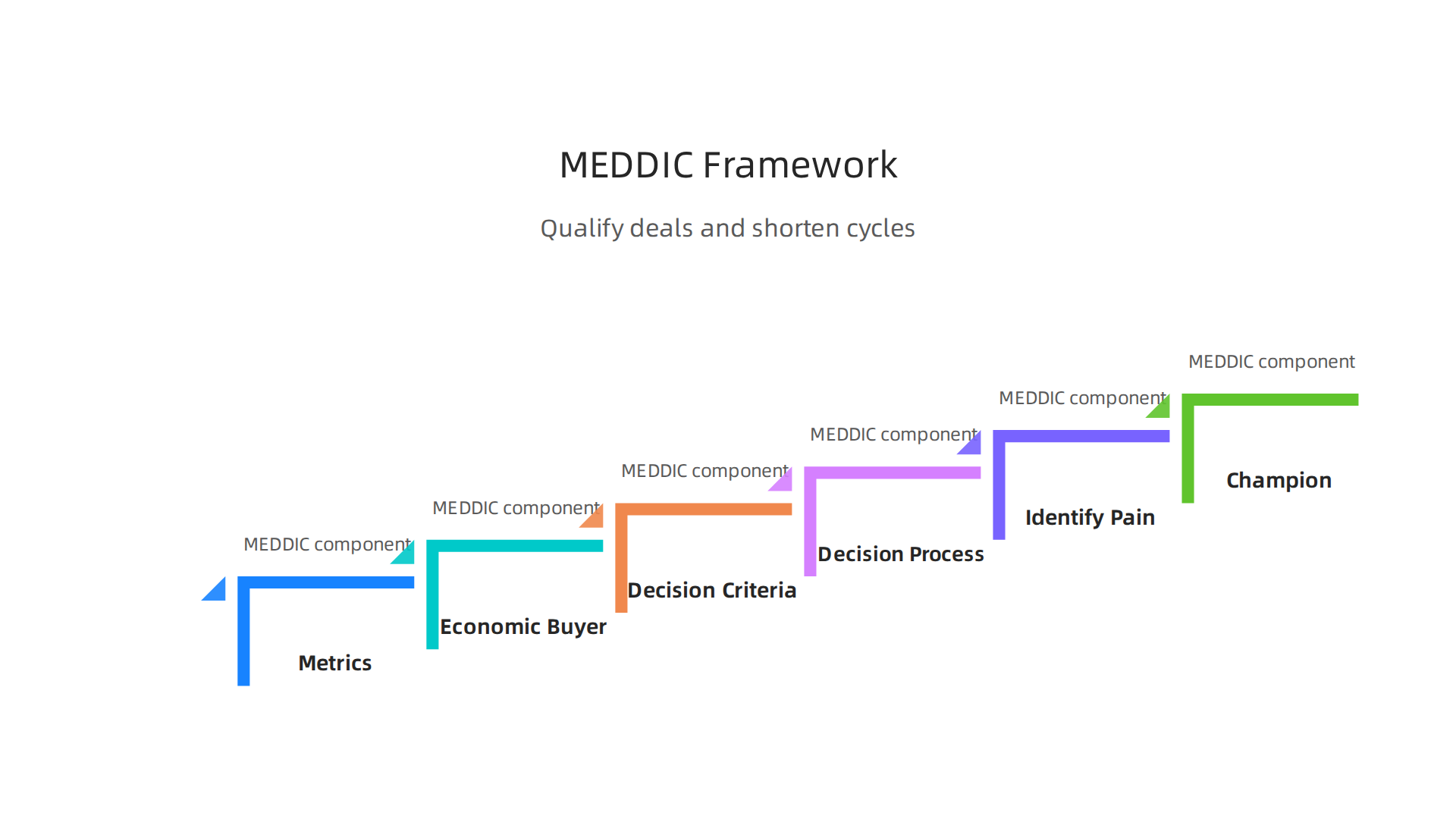
This framework forces you to ask hard questions early. Is there a real budget? Who actually signs the deal? What is the timeline? Using MEDDIC helps you qualify deals better and shorten your sales cycles. It stops you from chasing deals that were never going to close.
Combine methodology with a digital first approach
Here is the thing. A great methodology only works if you can deliver it well. And in 2026, you are probably selling virtually. But only 23% of sales reps feel equally effective selling virtually compared to in person.
That is a huge gap. To close it, you need to adapt your chosen methodology for video calls and digital communication. That means shorter emails, stronger slide decks, and more interactive demos. The best sales people in 2026 master virtual selling as a core skill, not an afterthought.
Build the skills to use these methods
Learning Challenger or MEDDIC takes practice. But it pays off. These frameworks give you a repeatable process that works. If you want to take your career to the next level, start by reading our guide on sales career 2026 to see which roles value these skills most.
Ready to master modern sales methodologies and increase sales in your next role? Contact us today for guidance on finding the right training pathway.
Mastering Virtual Sales Conversations: Build Trust and Close Deals Remotely
Picture this: you dial into a Zoom call, the buyer is already distracted, and you have to build trust without a handshake or eye contact.

It is tough. Only 23% of sales reps feel equally effective selling virtually compared to in person. That gap exists because virtual conversations require different skills. But you can bridge it. Here is how to turn video calls into closed deals.
Start with a structured agenda
The biggest mistake salespeople make virtually is winging it. Without a clear structure, the conversation drifts. The buyer loses interest. Instead, open with a short agenda that shows you respect their time.
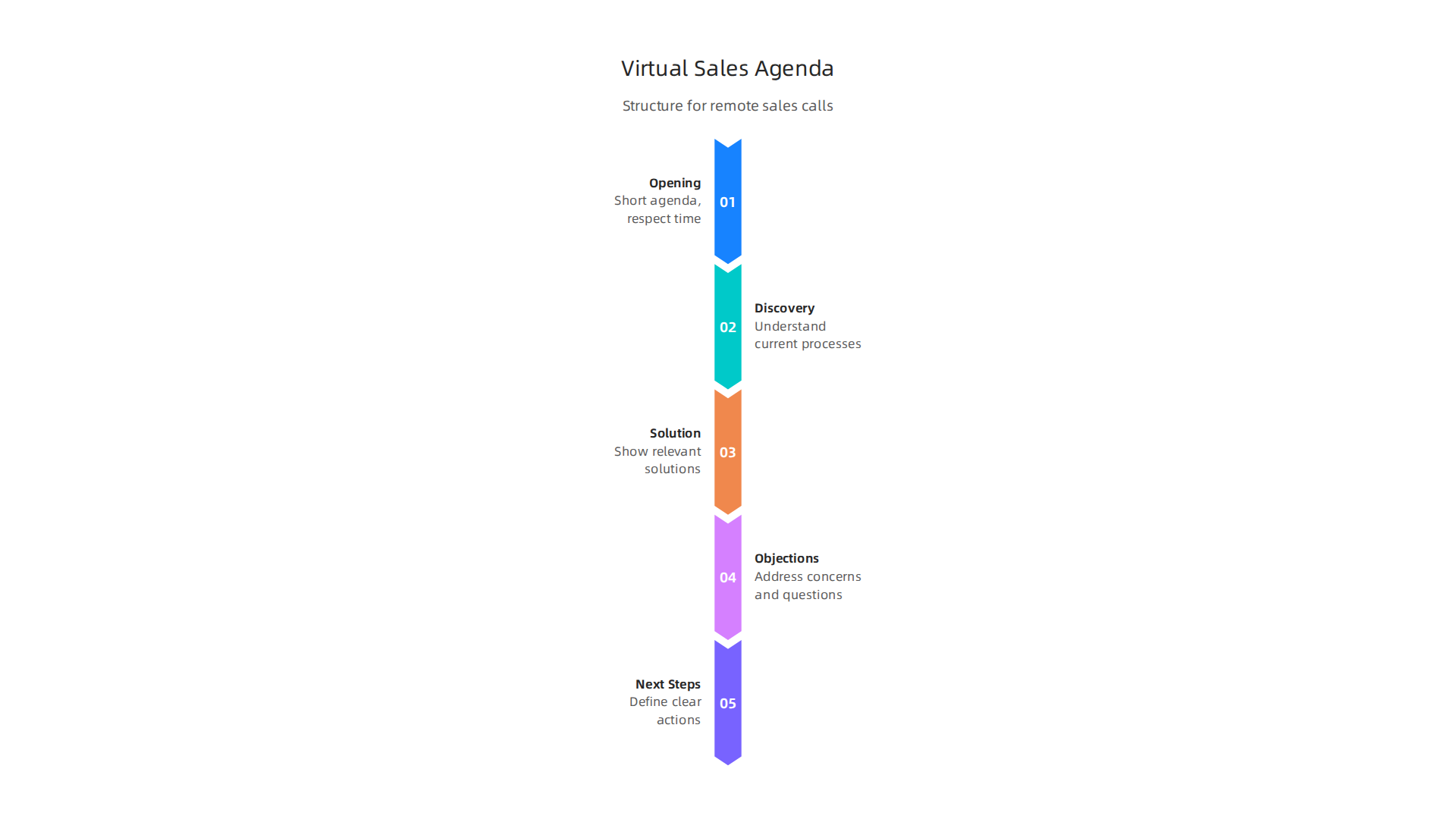
Say something like, "In the next 30 minutes, I want to understand your current process, show you how we’ve helped similar teams, and leave you with a clear next step. Sound good?" This simple move builds rapport because it signals you are prepared. Then practice active listening. Repeat back what the buyer says, ask clarifying questions, and pause before responding. According to recent sales techniques, mastering virtual selling and aligning your messaging are critical for success.
Use technology tools that boost engagement
A static slide deck on a video call is boring. Use collaborative platforms like Miro or live video demos instead. These tools let the buyer click, drag, and participate. When they interact, they stay focused and trust grows faster. For outbound sales, AI tools can also help. They can analyze call recordings to give you real-time suggestions on what to say next. One powerful sales tactic in 2026 is to shift the focus from your product to the buyer’s situation. Video demos that solve a specific pain point work much better than generic presentations.
Follow up the right way
Here is a surprising fact: effective follow-up sequences can recover 30% of stalled virtual deals. Most salespeople send one email and give up. But research shows that persistent, value-driven follow-ups work. Your first follow-up should restate the problem you solved. The second should share a case study. The third could offer a short video recap. Each touchpoint should feel helpful, not pushy. If you want to take your virtual selling skills further, check out our guide on AI sales agents and what they mean for modern sales roles.
Virtual sales conversations are not going away. Learning how to build trust and close deals remotely is the key to increase sales in 2026.
Ready to boost your virtual selling skills and land the right sales role? Contact us today for personalized guidance.
Building a High-Performance Sales Team: Training, Coaching, and Retention
Once you master your own virtual sales conversations, the next step is to build a team that can do the same. A high-performance sales team does not happen by accident. It takes deliberate training, continuous coaching, and a culture that makes people want to stay.
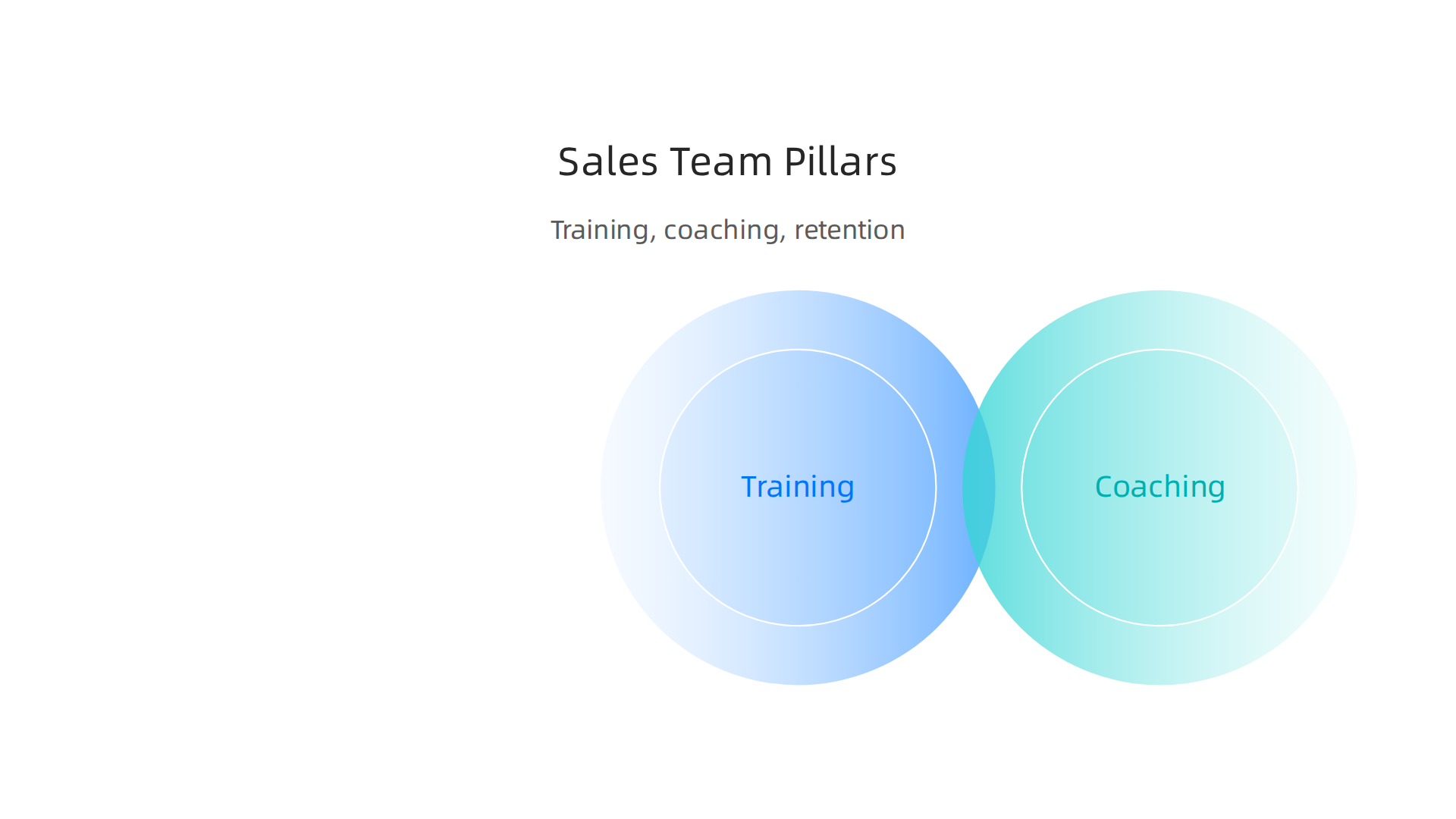
When you get these three pieces right, you directly increase sales across your whole organization.
Let’s start with coaching. Many sales leaders think a few training sessions at the start of the year is enough. But research shows that continuous coaching makes a huge difference. In fact, teams that receive ongoing coaching see average quota attainment jump by 20%. That is not a small bump. And when you invest in training, the return is massive. According to recent data from the Objective Management Group, sales training delivers a 353% ROI year after year. That means every dollar you spend on training comes back more than three times over. If you want to see how modern training tools like AI can help your team, check out our guide on leveraging AI sales agents for career growth.
Next comes structured onboarding. A new sales rep who gets thrown in without a clear plan takes much longer to become productive. A structured onboarding program reduces ramp-up time by weeks. That means new hires start closing deals faster, which directly helps you increase sales. The best programs include role-playing, product knowledge, and real practice with your sales pitch. They also teach new reps how to handle outbound sales effectively. Without structure, you waste time and money.
But training and coaching only work if you keep your best people. Retention is a major challenge in sales. Top performers leave when they feel stuck. They need a culture of learning and clear career growth. When you offer ongoing development and a path to advance, you keep your A-players. In fact, providing career advancement can save roughly $8,053 per employee per year through productivity and retention gains. That is real money.
So think about your team today. Are you coaching weekly? Is your onboarding tight? Do your reps see a future with you? If not, start fixing these pieces now. A high-performance sales team is built one day at a time.
Ready to build a team that increases sales and keeps top talent? Contact us today for personalized guidance on creating the right training and coaching plan for your sales force.
Leveraging Sales Enablement Technology: CRM, AI, and Revenue Intelligence
You’ve built a solid team with training and coaching. Now you need to give them the right tools. The technology you choose can either speed up your growth or slow it down. That’s why smart sales leaders are turning to sales enablement technology in 2026.
AI-powered revenue intelligence is changing the game. These tools listen to calls, analyze emails, and track every step of a deal. They give your reps real-time coaching on their sales pitch. For example, the system can spot when a rep misses a buying signal and suggest a better response. This kind of insight used to take a manager hours to find. Now it happens instantly. According to a 2026 report, AI is raising the bar for sales performance, but people still win by adding value beyond what the machine can do. The State of Sales in 2026 explains that managers are expected to coach more effectively with these tools.
Connecting your CRM with sales engagement platforms is another big win. When your CRM talks to your email, calendar, and prospecting tools, your team spends less time on data entry. They spend more time selling. Research shows this kind of integration can boost productivity by 15 to 20%. Sales technology trends in 2026 highlight that companies using connected platforms close deals faster and hit quota more often.
But one size does not fit all. Your tech stack should match your company size, industry, and sales cycle. A small team doing quick inbound sales needs a simple CRM and maybe one AI tool. A large enterprise with long, complex outbound sales cycles needs a full revenue intelligence platform. Think about what your reps actually struggle with. If they waste time on manual tasks, automation tools are the answer. If they need better coaching, invest in AI that analyzes calls. The right choice directly helps you increase sales.
For a deeper look at choosing and implementing a CRM that fits your team, check out our guide on mastering CRM implementation services for sales growth. It walks you through the steps to make your tech work for you, not the other way around.
Ready to find the right technology for your sales team? Get a Quote to talk with our team about the tools and training that match your needs.
Advanced Negotiation and Closing Techniques for Competitive Markets
Even with the best tech and training, your deals can fall apart at the finish line. That’s where smart negotiation and closing skills make the difference. In competitive markets, the ability to win deals without giving away your margins is what sets top performers apart.

Strategic frameworks give you a repeatable edge. The Harvard Negotiation Project teaches a principled approach: focus on interests, not positions. Instead of haggling over price, you dig into what the buyer actually needs. This method protects your margins and builds trust. According to recent benchmarks, the average B2B close rate sits around 29%. If you’re below that, a structured negotiation process could be your fix. B2B sales techniques that actually work in 2026 show that reps who use frameworks close more often and keep better pricing.
Handling objections is about reframing value, not discounting. When a prospect says your price is too high, don’t drop it. Instead, ask why they think that. Then reframe the conversation around the cost of not solving their problem. Buyer behavior in 2026 favors sellers who lead with value and confidence. Key B2B sales trends for 2026 highlight that buyers respond better to reps who stand firm on pricing while adding extra value through insights or faster implementation. This approach directly helps you increase sales while keeping your margins healthy.
Use past data to guide your concessions. Your CRM and AI tools from the last section can tell you exactly what concessions worked before. Look at your won and lost deals. Which discounts helped close? Which ones just gave away profit? Use that data to set clear boundaries on your sales pitch. B2B sales statistics for 2026 show that data-driven sellers optimize pricing strategies and win more often. Start tracking your own negotiation history and build a playbook that your entire outbound sales team can use.
For more on using AI tools to analyze past conversations and sharpen your approach, check out our guide on leveraging AI question answering tools for sales mastery.
Ready to sharpen your team’s negotiation skills? Get a Quote to talk with our team about training that fits your sales cycle.
Measuring What Matters: Sales KPIs and Analytics for Continuous Improvement
You have refined your closing techniques and built a strong outbound sales process. But here is the hard question. How do you know what is actually working? To really increase sales this year, you cannot just guess. You need to look at the right data.
Start by tracking leading indicators. These are signals that predict your future revenue. Do not just stare at last month’s closed deals. Watch your pipeline velocity and your conversation rates instead. These numbers tell you if your sales pitch is getting better. B2B sales statistics for 2026 show that top performing teams focus on these early signals to hit their goals.
What should you measure? The best teams do not track everything. They pick just 5 to 7 core KPIs. Focus on your conversion rate from lead to demo. Watch your average deal size. Keep an eye on your sales cycle length. If you track too much, you lose focus on what matters. B2B sales benchmarks and tactics show that simple dashboards lead to better decisions.
Your dashboard needs to be actionable. It should not just show information. It should tell you what to do next. If your demo stage is slow, your dashboard should help you see why. You can then adjust your pricing or fix your pitch. This is where having the right tools becomes critical. A good CRM turns all that data into a clear plan. Our guide on how to Master CRM Implementation Services for Sales Growth shows you exactly how to set this up.
Tracking the right KPIs removes the guesswork. It shows you exactly where to improve. If you want to build a sales process that keeps getting better, you need a system that measures what matters.
Ready to build a dashboard that really drives results? Contact Us to talk about setting up sales analytics that help you grow.
Common Pitfalls When Trying to Increase Sales and How to Avoid Them
Even with the right KPIs in place, many sales teams make mistakes that block real growth. Here are three common pitfalls to watch for in 2026.
Pitfall 1: Over-reliance on activity metrics without quality. Chasing call counts instead of meaningful conversations leads to burnout. A look at common sales mistakes shows that talking more than you listen hurts your results. Focus on quality engagement instead.
Pitfall 2: Neglecting post-sale customer success. If you ignore clients after the deal closes, you lose renewals and referrals. Your value proposition should extend beyond the sale. Weak value propositions often make it about you, not the buyer.
Pitfall 3: Failure to align sales and marketing. When these teams work in silos, your pipeline suffers. Top sales rep mistakes include not designing a true solution for the buyer’s problem. Align your pitch with marketing to keep leads moving.
Avoiding these pitfalls takes focus, but the payoff is steady growth. Learn how to Master CRM Implementation Services for Sales Growth to keep your process on track. Ready to build a stronger outbound sales strategy? Contact Us to see how our resources can support your sales career.
Summary
This article explains how modern, data-driven sales strategies are essential to win in 2026 and beyond. It shows how predictive analytics and AI transform prospecting by identifying the highest‑value leads and uncovering hidden buying patterns, and it outlines which sales methodologies (like Challenger and MEDDIC) work best for complex deals. You’ll learn practical techniques for running effective virtual conversations, building a coached, high‑performance sales team, and choosing the right CRM and revenue‑intelligence tools to boost productivity. The guide also covers negotiation best practices, which KPIs to track, and common pitfalls that derail growth, all with actionable steps you can apply immediately to increase sales and protect margins. Throughout, the focus is on combining people, process, and technology so you can sell more efficiently without burning out your team.