

Why the Right CRM Can Make or Break Your Sales Productivity
Let’s look at the math for a second. Did you know sales professionals can spend up to 30% of their day just typing in data?

That is almost a third of your working hours spent on busywork instead of actually selling. The right CRM tool cuts that time in half. The wrong one? It just adds to the headache.
Choosing a CRM is a high-stakes decision. A bad fit wastes your time, eats your budget, and kills your team’s momentum. You need a tool that feels less annoying and actually helps you close deals.
That is where Redtail CRM comes in. It is a cloud-based CRM built specifically for financial advisors and wealth managers (SmartAsset).
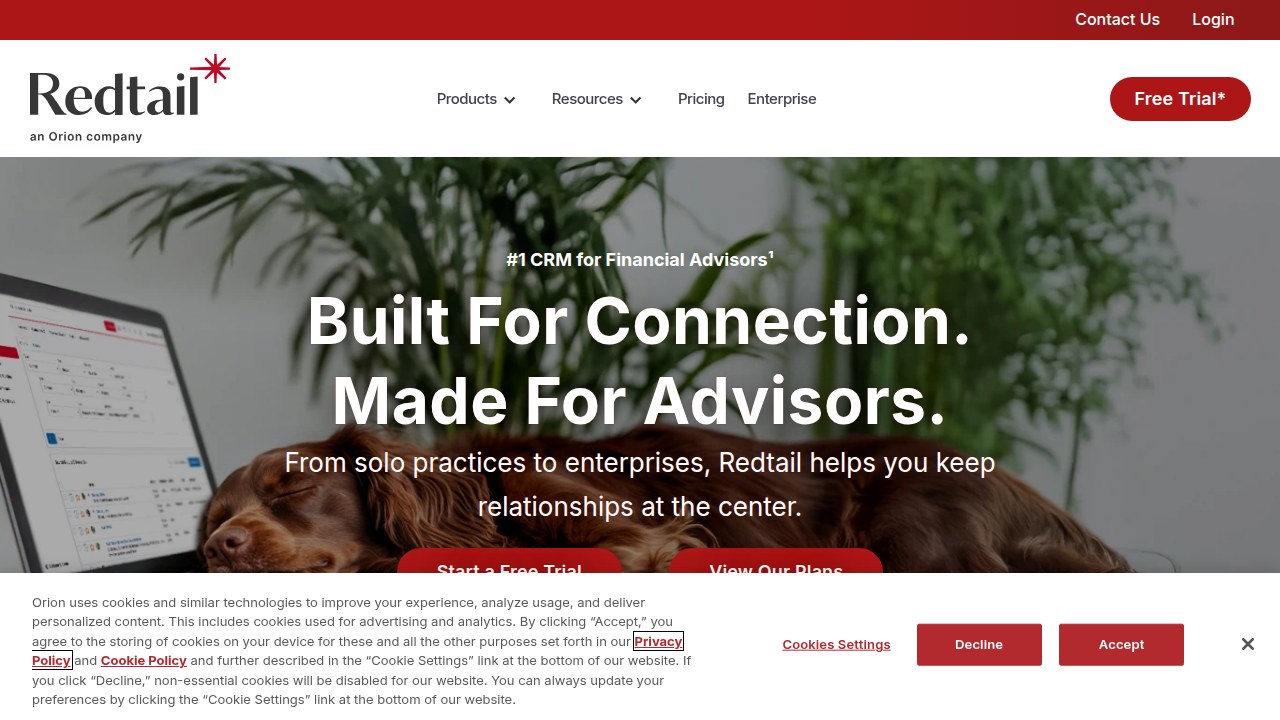
It gives you workflow automation, FINRA-compliant communication tools, and integrations with over 100 other platforms (Softbliq). Pricing starts at $39 per user per month, which makes it a solid option for small to mid-size firms (G2).
But is Redtail CRM the right choice for you in 2026? How does it compare to a newer, flexible tool like Folk CRM? And where does it fit next to the giant that is CRM software Salesforce?
In this guide, we break down the pros and cons of Redtail CRM. We look at who it helps, where it falls short, and what alternatives you should consider.
If you are building your sales tech stack, you also want to make sure your setup is smooth. Check out our guide on CRM implementation services to avoid common mistakes.
For more career-boosting guides and resources in 2026, Browse Jobs & Guides. Let’s get started.
Redtail CRM Deep Dive: Features, Pricing, and Target Audience
Let’s pull back the curtain on what Redtail CRM actually does. This tool was built for a specific crowd: financial advisors and wealth managers (SmartAsset). Unlike a generic CRM that tries to do everything for everyone, Redtail focuses on the one industry it knows best.
That focus is both its superpower and its biggest limit.
Core Features That Stand Out
Redtail CRM gives you the essentials for managing leads and closing deals. But it adds a few things you won’t find in most CRMs.
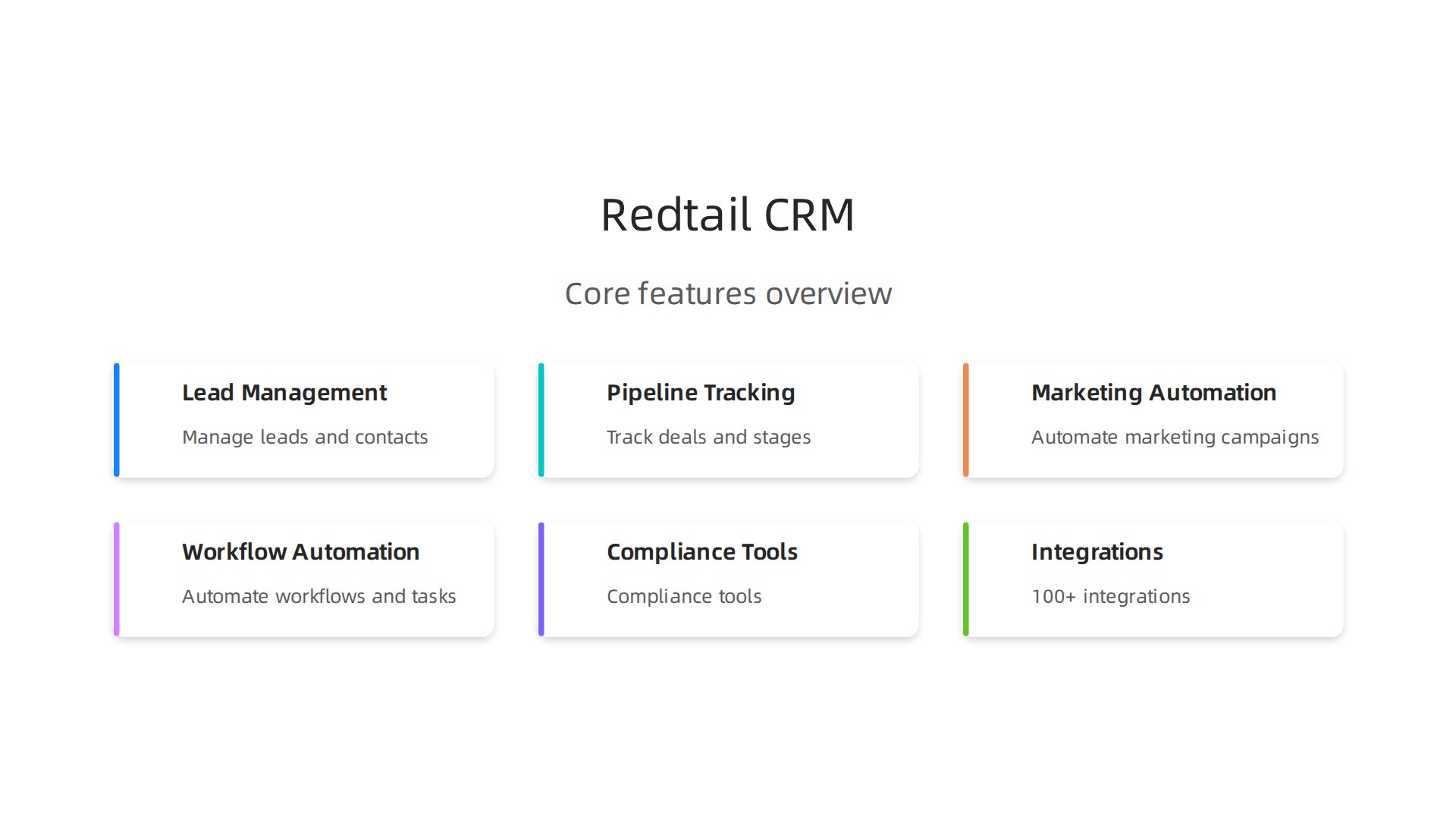
- Lead management: Log every call, email, and meeting with your prospects. You can see your entire pipeline in one screen.
- Pipeline tracking: Drag deals through stages as they move closer to closing. No more guessing where things stand.
- Marketing automation: Set up email sequences that run on autopilot. Your leads get follow-ups without you lifting a finger.
- Workflow automation: Create triggers that do the busywork for you. When a lead fills out a form, send them a welcome email instantly.
- Compliance tools: This is the big one. Redtail Speak lets you send FINRA-compliant messages and emails (Softbliq). For financial pros, that is a lifesaver.
- 100+ integrations: Connect with Outlook, Gmail, and financial planning tools you already use.
Pricing You Can Understand
Redtail keeps its pricing simple. You do not need to sit through a demo just to get a number. Here is the breakdown from the official Redtail pricing page:
| Plan | Annual billing (per user/month) | Monthly billing (per user/month) | User limit |
|---|---|---|---|
| Launch | $39 | $45 | Up to 5 users |
| Growth | $59 | Not listed | No limit |
For a team of three advisors on the Launch plan, that is $117 per month. That is affordable compared to many competitors. And G2 data confirms pricing stays competitive even as you scale.
Who This CRM Is For
Redtail CRM is not a one size fits all tool. It shines brightest in financial services. If you sell insurance, manage investments, or give financial advice, this CRM will feel like home.

But here is the honest truth. If your team sells physical products, runs a B2B sales operation, or works in a less regulated industry, you might find Redtail too narrow. The user interface looks a bit dated. The mobile app is not as smooth as younger tools like folk crm. And customizing it for a general sales workflow takes extra effort.
How Redtail Compares to the Competition
Now let’s talk about the alternatives.
CRM software Salesforce is the 800 pound gorilla.
It can do anything, but it is complex and expensive. Redtail is simpler and cheaper for its niche.
Folk CRM is the newer, less annoying crm option. It focuses on speed and a clean user experience. If you hate bloated software and want something that just works, folk crm is worth testing. But it does not have the compliance features Redtail offers.
Redtail wins on industry specific tools. The others win on flexibility and interface design.
Where to Go From Here
If you work in financial services, Redtail CRM is a solid choice. The compliance tools alone make it worth the monthly fee. Just know that you are trading some modern convenience for industry specific power.
Getting your CRM set up the right way matters more than the tool itself. Check out our guide on CRM implementation services for sales growth and career advancement to avoid common setup mistakes.
Want to explore more career building resources in 2026? Browse Jobs & Guides for actionable tips on landing your next sales role.
Head-to-Head: Redtail CRM vs. Top Competitors (Salesforce, HubSpot, Zoho, Pipedrive)
So you have seen what Redtail CRM does well. It focuses on financial services. It keeps you compliant. The pricing is clear and simple.
But what if you are not sure Redtail is the right fit? Or what if your boss wants you to compare it to the big names?
Let’s put Redtail up against the four most popular CRM platforms in 2026. This is where the rubber meets the road.
Redtail CRM vs. Salesforce
Salesforce is the giant everyone knows. It can do almost anything you can imagine. You can build custom reports. You can automate complex processes. You can track every single step of a sale.
But here is the catch. CRM software Salesforce is hard to learn. It is also expensive. A full setup for a small team can cost thousands of dollars. And the learning curve is steep.
Redtail is the opposite. It is simpler. It is cheaper. And for financial advisors, it already has the compliance tools Salesforce makes you buy separately. If you do not need a massive enterprise system, Redtail gives you more for less.
Redtail CRM vs. HubSpot
HubSpot CRM is famous for its free tier. That free plan is great for getting started. Many small teams love it.
But here is the problem. You tend to outgrow HubSpot fast. The jump from free to paid is huge. For example, Marketing Hub Professional starts at $800 per month. That is more than some small firms spend on rent.
Redtail is a better fit for mid-market financial teams. You get compliance tools, document storage, and industry templates right out of the box. HubSpot is great for marketing. Redtail is great for serving clients under regulation.
Redtail CRM vs. Zoho
Zoho CRM competes on price. It gives you a lot of features for very little money. It is also very customizable.
But Zoho lacks the ready-made industry templates that Redtail offers. If you work in finance, you do not want to build your own workflows from scratch. You want a system that already understands your business. Redtail wins in that area.
Redtail CRM vs. Pipedrive
Pipedrive is the most direct competitor on price. In early 2026, Pipedrive restructured its plans. The most popular plan is now $59 per user per month. That is very close to Redtail’s Growth plan.
So which one is better? It depends. Pipedrive wins on clean design and ease of use. It is a truly less annoying crm option for general sales teams. But Redtail wins on industry specific needs like compliance and client management.
Here is a quick cheat sheet to help you decide.
| Feature | Redtail CRM | Salesforce | HubSpot | Zoho | Pipedrive |
|---|---|---|---|---|---|
| Best for | Financial advisors | Large enterprises | Growing teams | Budget teams | Pipeline reps |
| Compliance | Built in | Add on | Add on | Add on | None |
| Ease of use | Medium | Hard | Easy | Medium | Easy |
| Starting price | $39/user | $25/user+ | Free (paid is steep) | $14/user | $14/user |
The Bottom Line
No single CRM is perfect for everyone. If you work in a regulated industry like finance, Redtail is the clear winner. You cannot beat built-in compliance and industry templates.
If you want more flexibility and a modern interface, you might lean toward Pipedrive or HubSpot. Just know you will have to build your own compliance workflows.
Getting your CRM set up the right way matters more than the tool itself. Our guide on mastering CRM implementation for sales growth walks through the mistakes most teams make.
Ready to take the next step toward a better sales future? Browse Jobs & Guides for actionable tips to land your next role in 2026.
So you have seen how Redtail stacks up against the big names. But what if your team works remotely? That changes everything. In 2026, sales reps spend over 70% of their time on admin tasks, according to a recent analysis of sales productivity tools. If your CRM does not help you work from anywhere, you are wasting hours every week.
Here is what a remote sales CRM must do to keep you productive.
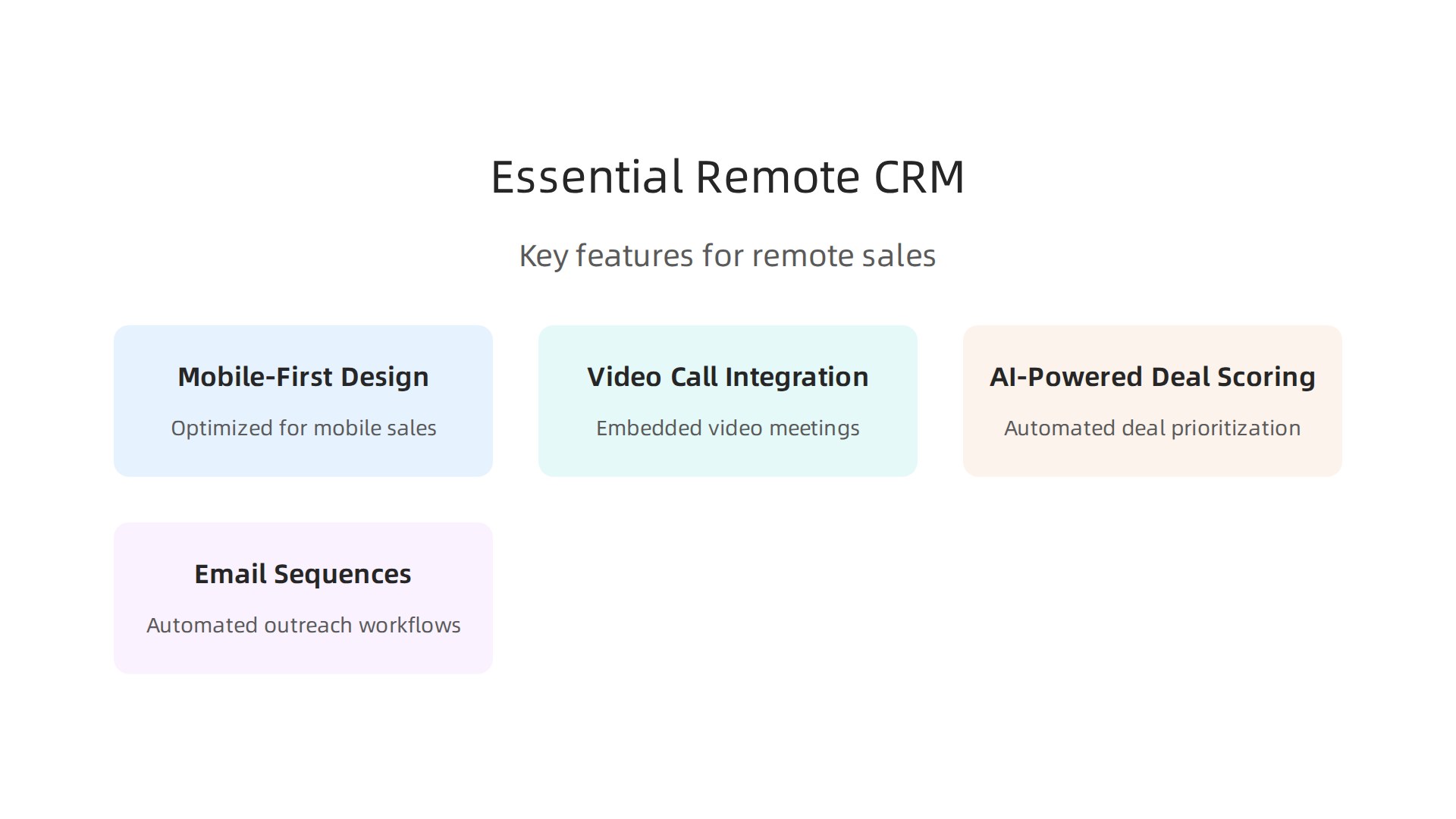
Mobile-First Design Is Non-Negotiable
Your team takes calls, checks email, and updates deals from their phones. A CRM with a clunky mobile app kills momentum. You need a tool that gives you real-time access to customer data and lets you log activities with one tap. Centralized CRM data for real-time access is the top feature remote teams look for in 2026.
Video Call Integration and Auto-Logging
You jump on Zoom or Google Meet multiple times a day. Your CRM should connect to those calls automatically. It should record the call, log the notes, and update the deal stage without you typing a thing. Tools like HubSpot and Salesforce do this well. Redtail’s native integration is weaker, so users often need third-party add-ons to get the same result.
AI-Powered Deal Scoring and Email Sequences
Artificial intelligence is no longer a nice to have. It is a baseline expectation. You need a CRM that scores your leads based on behavior. It should automatically send follow-up emails when a prospect goes cold. Operational CRMs that automate daily sales processes help you focus on closing, not typing.
Where Redtail Falls Short
User feedback in 2026 says Redtail’s mobile app and remote collaboration features lag behind HubSpot and Salesforce. If your team is fully remote and depends on instant chat, file sharing, and real-time pipeline views, you might find Redtail frustrating.

It was built for an office environment. That does not make it bad, but it does make it a less annoying CRM for in-office advisors rather than road warriors.
The Smart Path Forward
If you are set on Redtail, you can supplement it with tools like a dedicated video sequencer or a separate data platform. Or you can switch to a CRM with stronger remote features. Mastering your CRM implementation is what actually determines your productivity, no matter which platform you choose.
Need help choosing the right tools for your remote team? Read More Articles to stay ahead of the curve in 2026.
Cost-Benefit Analysis: Is Redtail CRM Worth the Investment?
On paper, Redtail CRM looks affordable. Its Launch plan starts at $39 per user per month, and the Growth plan is $59 per user per month. But here is the question most teams miss. What does it actually cost to run this thing?
The real price tag includes setup fees, training time, and the cost of connecting all the tools you already use.

A 2026 survey found that 40% of CRM buyers underestimated implementation costs. So before you sign up, let us look at what you will really pay and what you can expect in return.
The Sticker Price vs. the Total Cost of Ownership
Redtail’s monthly fees are clear. You pay per user, and there are no surprise jumps. That is nice. But the hidden costs add up fast if you are not careful.
First, premium integrations. Redtail offers over 100 integrations, but many advanced ones come at an extra cost. If you need to sync with a marketing platform or compliance software, that hits your budget.
Second, data migration. Moving your old data into Redtail is not free. You either pay a consultant or spend hours doing it yourself. And if your data is messy, you will need time to clean it up.
Third, training. Redtail is built for financial advisors, but it still takes time to learn. A 2026 report on 2026 Sales Automation Costs noted that for a team of 50 reps, total annual costs including training and governance can range from $150,000 to $750,000 depending on scope. That is a big range, and small teams feel it more per user.
Team Size Matters: Where Redtail Shines and Where It Falters
Redtail is a good fit for small to mid-size teams. If you have 5 to 50 users, the per-seat pricing is manageable. You get strong compliance features and workflow automation that help advisors stay organized. According to Nucleus Research, CRM returns $3.10 for every $1 spent. For a team of 10, that could mean real gains if you use the tool properly.
But as you grow larger, the math changes. For teams over 50 users, crm software salesforce and similar enterprise tools start to become cheaper on a per-user basis when you factor in their built-in automation and AI. Redtail’s lack of advanced remote collaboration features and weaker AI scoring mean you might spend more on add-ons and manual workarounds. That eats into your ROI.
The Hidden Cost Trap
Beyond the obvious, there are surprises. For example, if your team uses multiple compliance tools or requires custom reporting, those integrations might not come standard. A review on Capterra notes that some users find the reporting module limited without third-party tools.
Also, consider the cost of switching later. If Redtail turns out not to fit, migrating to another platform is expensive. That is why it pays to master your CRM implementation from day one, no matter which tool you choose.
Is Redtail Worth It?
The short answer is yes for some teams and no for others. If you are a financial advisory firm with 5 to 50 users, and your team works mostly in the office, Redtail is a solid investment. But if you are a large remote team or need advanced automation, you might find it a less annoying crm in the long run only if you budget for the extras.
Before you decide, add up all the costs. Then compare the total to what you expect to gain. That is the only real way to know.
Want to explore other options or learn how to get the most out of Redtail? Browse Jobs & Guides for more resources on choosing and implementing the right CRM for your team.
Integration and Workflow Automation: Comparing Ecosystems
Picking a CRM is not just about the features it has. It is about how well it connects to the tools your team already uses every day. If your CRM does not talk to your email, calendar, or marketing platform, you will waste time entering data manually. That defeats the purpose.
Redtail CRM is built for financial advisors, so its integration approach is focused on the tools they need most. Its app marketplace may be smaller than giants like Salesforce, but it covers the essentials. You get native connections to Outlook, Gmail, and Zapier, which lets you link to hundreds of other apps. For a typical advisory firm, that is enough.
But here is where the difference shows up. According to a 2026 comparison of Redtail alternatives, platforms like HubSpot and Salesforce offer much richer API environments.

They have pre-built connectors for marketing automation, customer service, and advanced analytics. What does that mean for you? If your team needs to sync CRM data with a marketing email tool or a support ticket system, crm software salesforce gives you more options out of the box. Redtail can still connect, but often through third-party tools or extra fees.
Automation Depth: Redtail vs. the Rest
Automation is where the gap widens. Redtail includes a workflow builder that can handle basic triggers. For example, you can set up an automatic task when a lead reaches a certain stage. That works fine for simple rules.
But compare that to Pipedrive, which is known for its flexible automation rules.
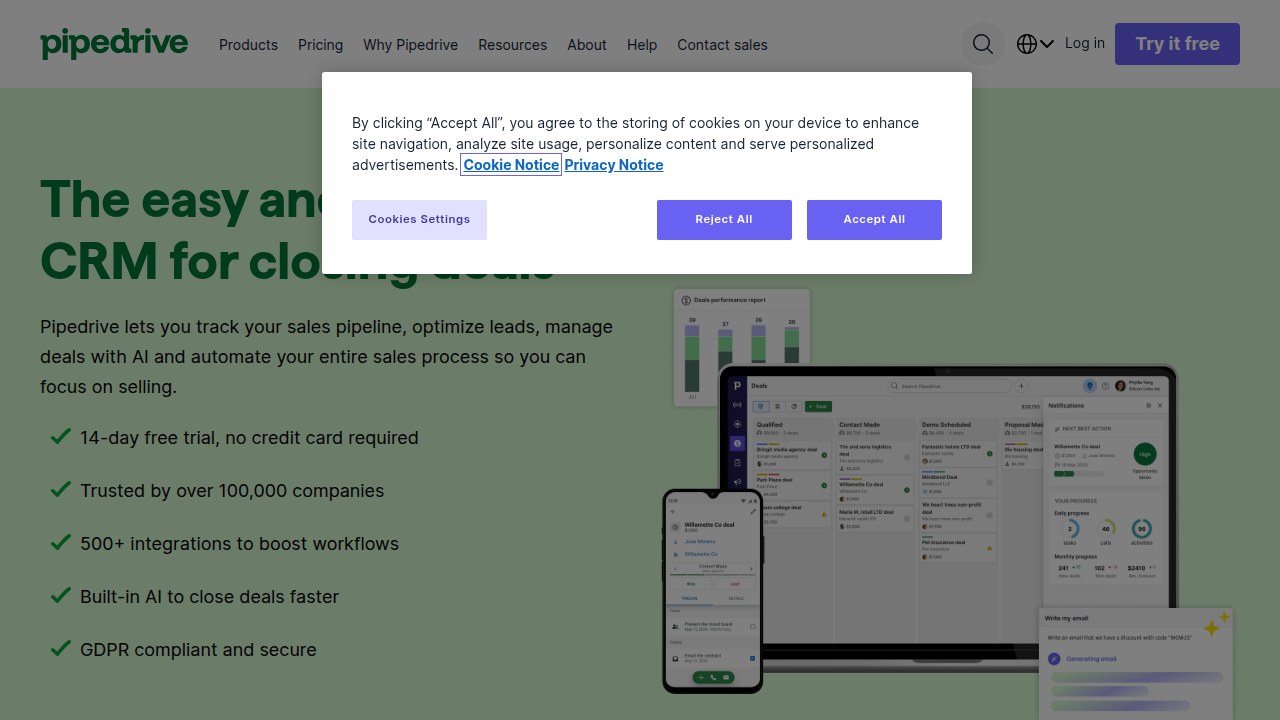
As highlighted in a 2026 guide on CRM tools for remote sales teams, teams that rely heavily on automation benefit from platforms that let them build multi-step workflows without code. Pipedrive’s automation can trigger emails, move deals, and update fields across your pipeline. Redtail’s builder is adequate, but it lacks that depth. If you want a less annoying crm that handles complex automation without workarounds, you might look at Pipedrive or HubSpot.
That said, Redtail is not a bad choice if your needs are straightforward. Many advisors find its automation enough for compliance tasks and client follow-ups. The key is matching the tool to your actual workflow.
Making the Right Integration Choice
The best ecosystem is the one that fits your stack. If you are a small advisory firm using Microsoft 365 and a few compliance tools, Redtail probably connects well enough. But if you run a larger sales operation with marketing and customer service teams, you will want the deeper integration of a platform like Salesforce or HubSpot.
Before you commit, map out every tool you use and check if Redtail connects directly. Then test its automation builder with a real process. That will tell you if it is the right fit.
Want to learn more about picking the right CRM for your team? Browse Resources for guides that break down the options and help you avoid costly mistakes.
Real-World User Insights: Satisfaction Scores and Expert Opinions
All the automation talk in the world does not matter if the tool frustrates you daily. So what do real users actually say about using Redtail CRM in 2026?

We dug through user reviews on sites like Capterra, G2, and TrustRadius to find out. The picture is clear: Redtail nails its niche but misses the mark on some everyday needs.
Satisfaction Scores: Where It Shines
Redtail CRM scores above average on two big things: customer support and industry-specific features. Financial advisors who use it day in and day out appreciate that the team understands their compliance needs. On Capterra, multiple users call it a "great financial CRM" and say their support response times are fast.
According to a 2026 review on SmartAsset, Redtail is one of the most widely used CRM applications for advisors. That popularity comes from meeting their core needs. The March 2026 release notes even added a dedicated Client Review page with clear status indicators, showing the team is listening.
But here is the trade-off. Redtail scores below average on ease of use. Users on G2 and Software Advice often mention a steep learning curve. The interface feels cluttered compared to sleeker tools. One user put it plainly: "Gets the Job Done but Could Be Better." If you are looking for a less annoying crm that just works out of the box, Redtail might test your patience during setup.
Expert Opinions: The Niche Trap
Expert reviewers agree on one thing: Redtail has a very strong niche. It is built for financial services, insurance, and real estate professionals. A 2026 comparison of Redtail alternatives on Gain Altitude notes that it is excellent for compliance-heavy workflows. But those same experts caution against using it for generalized B2B sales.
Why? Because if you need to connect with marketing automation or handle complex lead scoring, crm software salesforce gives you way more flexibility. Redtail’s limited customization and reporting frustrate teams that try to stretch it beyond its design. As one expert guide from Maximizer points out, Redtail is tailored for financial advisors, not multi-industry sales teams.
What Users Love and Hate
Here is the honest breakdown from real user quotes:
- Love it for: Affordable pricing starting at $39 per user/month and deep compliance features. One TrustRadius user says the ability to create workflows for repeated tasks is excellent.
- Frustrated by: Mobile app bugs that crash or lag, and reporting that feels too basic for growing firms. Many users on G2 and Capterra mention the mobile experience needs serious work.
The bottom line? Redtail hits its target well if you are in its niche. But if you want a tool that grows beyond financial services, you might feel stuck.
Before you commit, test it with your actual daily workflow. Run a real lead through the system. If the mobile app frustrates you on day one, that feeling will not fade.
Want to read more about choosing the right CRM for your sales career? Read More Articles for guides that break down the options and help you avoid costly mistakes.
Summary
This article evaluates Redtail CRM as a specialist tool for financial advisors and wealth managers, explaining its core features, pricing, and target audience. It covers Redtail’s strengths—industry templates, built-in FINRA-compliant messaging, and straightforward per-user pricing—alongside its weaknesses such as a dated UI, weaker mobile/remote features, and limited advanced automation. The guide compares Redtail to major alternatives (Salesforce, HubSpot, Zoho, Pipedrive), outlines total cost of ownership including migration and training, and shows when Redtail is the best fit versus when a more flexible CRM makes sense. Readers will learn how to match CRM choice to team size, regulatory needs, and remote workflows, and what implementation pitfalls to avoid before committing.